
Cold Storage Doors in Industrial Efficiency
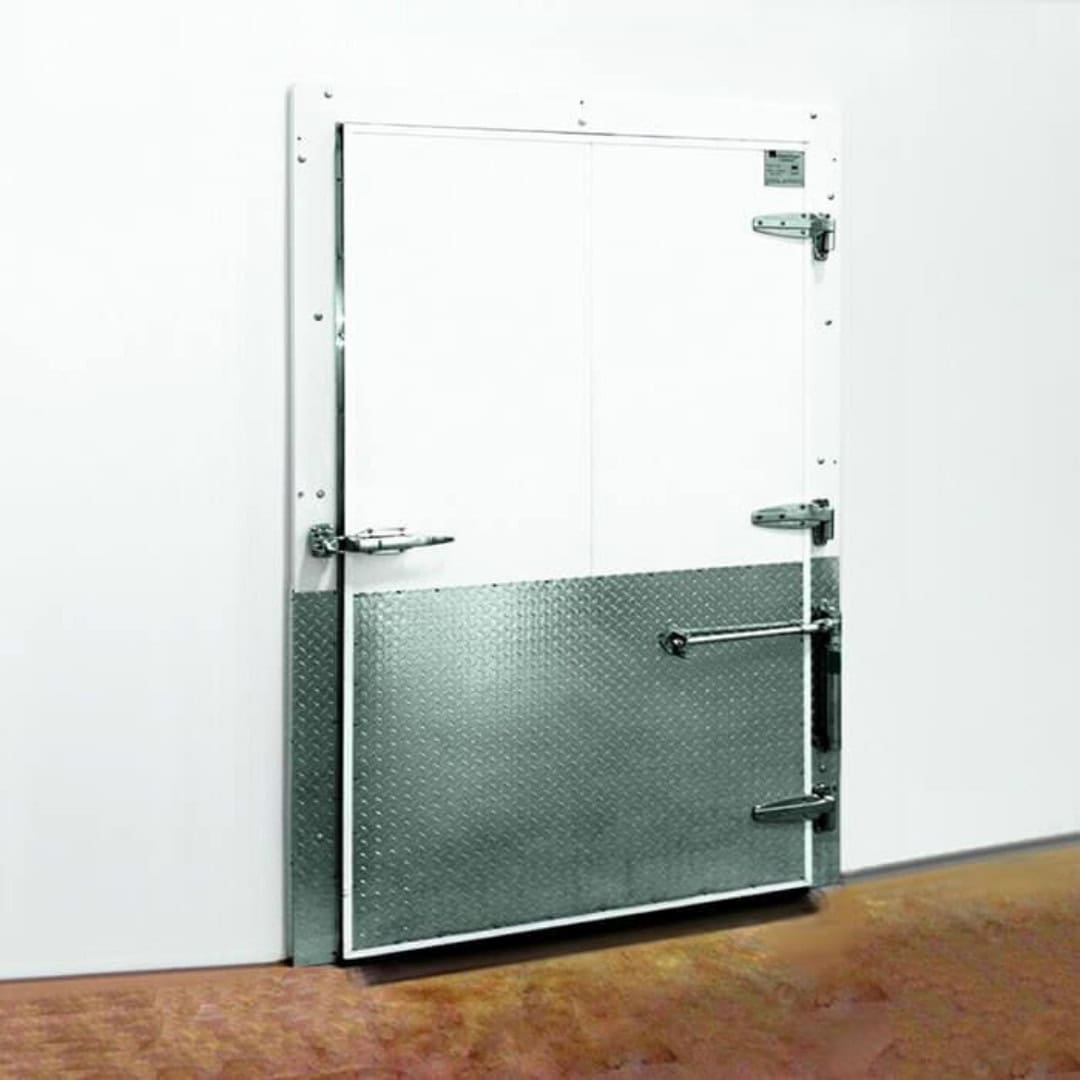
A cold storage door is a specialized door system designed to maintain a controlled temperature environment in industrial and commercial refrigerated spaces. These are most applicable for walk-in freezers, refrigerated warehouses, food processing plants, pharmaceutical storage facilities, and distribution centers.
Core Purpose
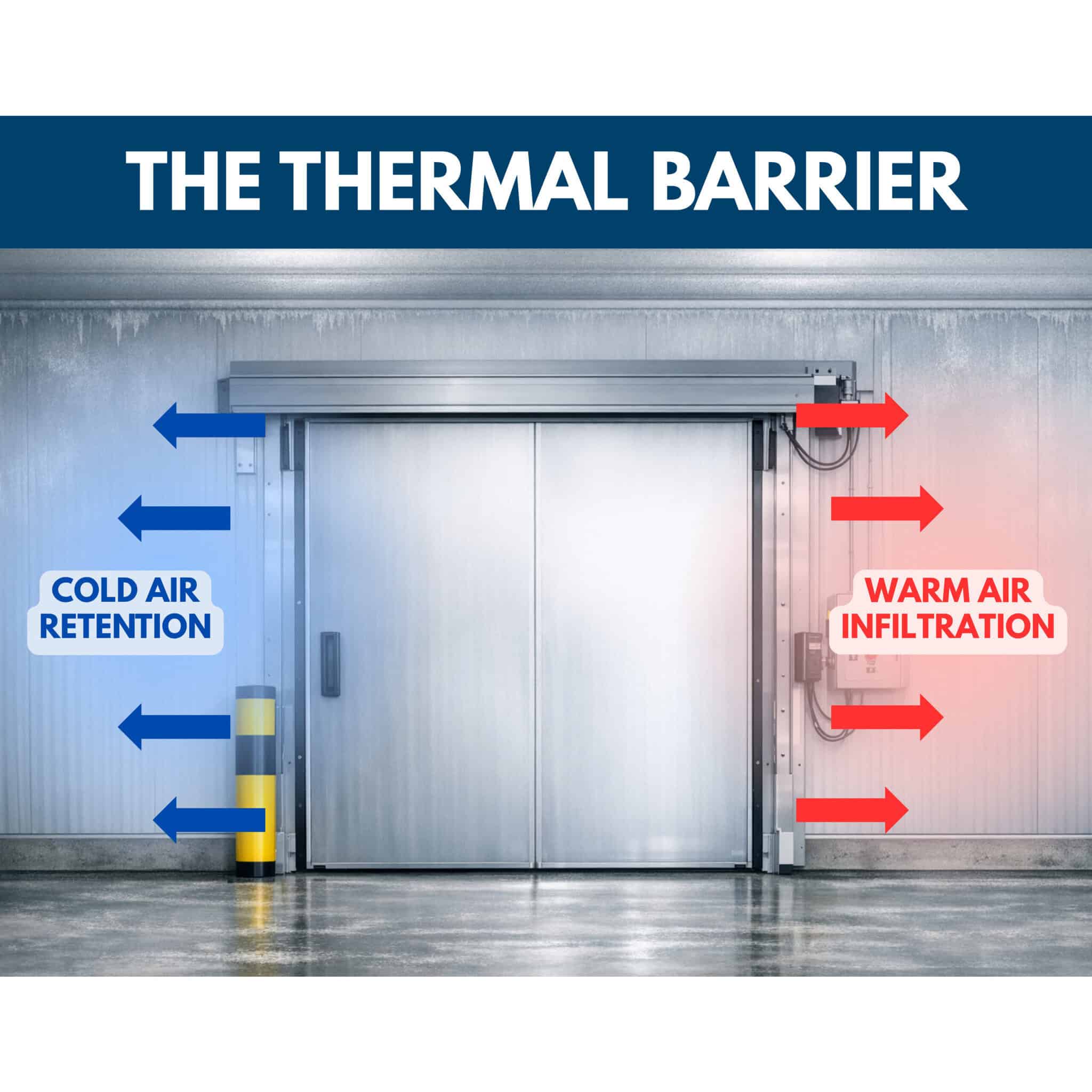
The fundamental role of a cold storage door is to act as a thermal barrier — minimizing the exchange of air (and therefore heat) between a refrigerated zone and the ambient environment. Every time the barrier is breached or poorly sealed, warm air infiltrates the cold zone, forcing refrigeration systems to work harder to restore the ideal temperature.
Why It Matters for Industrial Efficiency
Energy consumption is the biggest factor. Refrigeration systems can account for 30–50% of total energy costs in food distribution and cold chain facilities. A poorly performing door — one that leaks, stays open too long, or lacks adequate insulation — directly inflates that number. Well-designed cold storage doors reduce infiltration losses and cut refrigeration load significantly.
Throughput and workflow also depend on door performance. High-traffic areas (loading docks, production lines) need doors that open and close quickly without creating bottlenecks. Slow or malfunctioning doors either impede operations or are propped open, both of which hurt efficiency.
Product integrity is a downstream consequence of temperature control. Inconsistent cold zones lead to spoilage, failed pharmaceutical compliance, or rejected shipments — all costly outcomes that efficient door systems help prevent.
Common Types Used in Industrial Settings
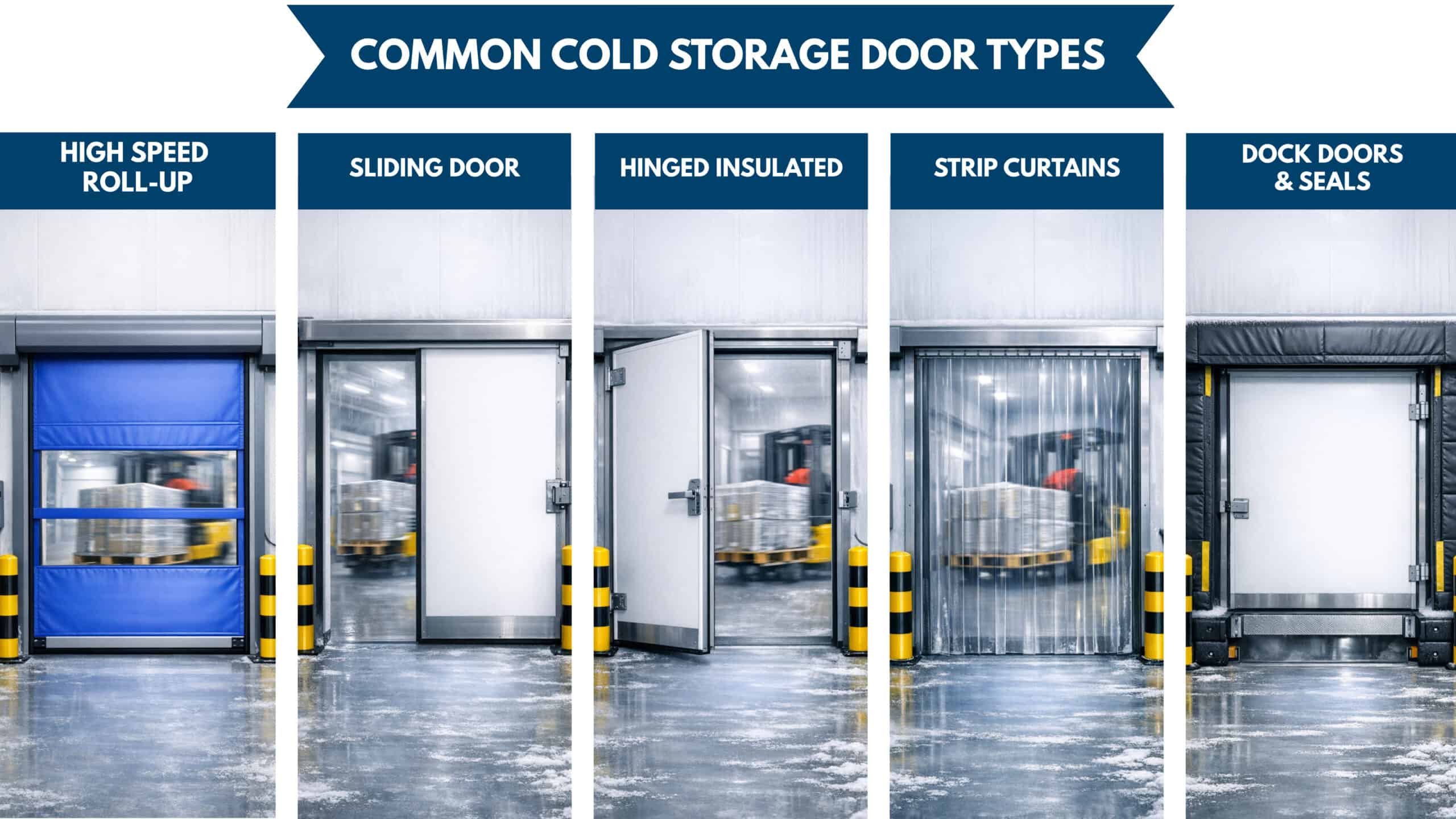
- High-speed roll-up doors — Used in high-traffic areas; open and close in seconds to minimize air exchange during forklift or foot traffic.
- Sliding cold storage doors — Common in large refrigerated warehouses; move horizontally to accommodate wide openings.
- Hinged insulated doors — Heavy-duty, thick-panel doors for walk-in coolers and freezers; prioritize insulation over speed.
- Strip curtains / PVC curtain doors — Low-cost supplemental barriers, often used alongside roll-up doors to further reduce infiltration.
- Dock doors and dock seals — Designed to mate with truck trailers at loading bays, sealing the gap to prevent warm air intrusion during loading/unloading.
Key Performance Attributes
| Attribute | Why It Matters |
| Insulation value (R-value) | Higher R-value = less heat transfer through the door panel |
| Seal tightness | Gaskets and bottom seals prevent air infiltration when closed |
| Opening/closing speed | Faster cycles = less time the cold zone is exposed |
| Durability | Industrial doors face heavy use; failures cause downtime and temperature excursions |
| Automatic closing | Self-closing mechanisms prevent doors from being left open accidentally |
The Efficiency Equation
In practice, facilities evaluate cold storage doors as part of a broader cold chain efficiency strategy. A high-performance door system typically pays for itself through energy savings within a few years, while also reducing wear on compressors and refrigeration equipment — extending their service life and lowering maintenance costs.
In short, a cold storage door is far more than just an entry point — it’s a critical component of the thermal envelope that determines how efficiently a refrigerated facility operates.