
Overview
Barron Equipment and Overhead Door offers safety equipment designed to help control access to drum contents in industrial and commercial settings. One common solution is a 55 gallon drum lock, which helps secure the opening of a drum and limit who can access what’s inside. This type of product supports workplace safety by adding a simple physical barrier at the drum opening.
Drums are often used to store materials in warehouses, plants, and service areas. In many cases, facilities need a basic way to manage access without changing or damaging the drum itself. A lock drum solution threads directly into the existing opening, making it easy to use while still supporting safety guidelines. These products are commonly included in safety programs where controlled access is part of daily operations.
Features and Benefits
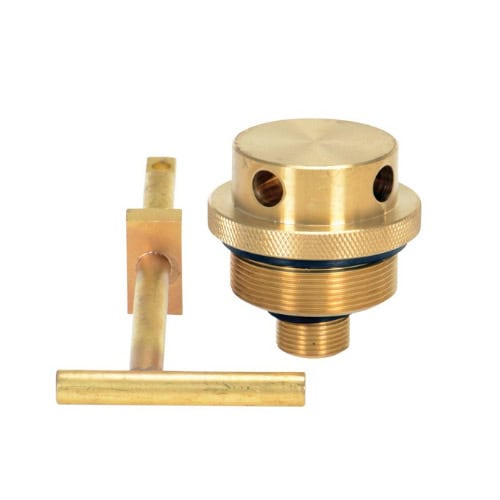
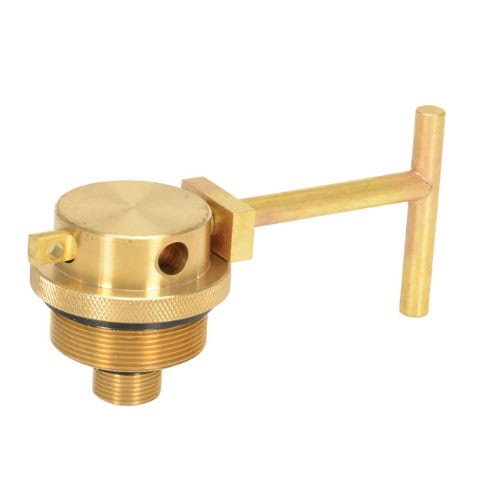
This type of drum security solution installs directly into the drum’s bung opening. Once in place, a solid steel locking rod is inserted and secured with a padlock. The rod rests against the outer edge of the drum, which helps keep the unit in place and reduces the chance of removal once locked.
A pre‑drilled hole allows the use of most standard padlocks, making it easy to match with existing locks already used on site. Because the system relies on mechanical parts instead of electronics, it is simple to understand, easy to inspect, and straightforward to use.
Designed to work with common drum opening sizes, this approach is well‑suited for standard industrial drums. In typical 55 gallon drum lock applications, the device provides a reliable way to control access while keeping installation quick and consistent. Since no permanent changes are made to the drum, the solution can be removed or replaced as needed.
Applications
Common applications include:
- Warehouses where drums are stored on floors or racks
- Manufacturing and maintenance areas that use standard drums
- Facilities following safety or access‑control procedures
- Workplaces needing a basic way to lock drum openings
In these environments, controlling access to drum contents helps support safer handling practices. Rather than securing the entire container, this method focuses on the opening itself. The screw‑in design allows teams to apply the same process across many drums, helping keep safety practices consistent from one area to the next.
This approach works well in daily operations where drums are checked, moved, or serviced regularly and where visual confirmation of a locked opening is important.
FAQs
What is a brass drum lock used for?
A brass drum lock is designed to help secure drum contents and restrict unauthorized access to materials stored inside industrial drums. It provides an added layer of protection for drums containing valuable, hazardous, or sensitive materials.
What is the purpose of the padlock hole?
The padlock hole allows the drum lock to be secured with a compatible padlock, helping prevent unauthorized access and improving overall drum security.
Why is brass commonly used for drum locks?
Brass offers durability, corrosion resistance, and reliable performance in a variety of industrial environments. It is commonly used for locking components that may be exposed to moisture or demanding operating conditions.
How does a drum lock improve workplace security?
A drum lock helps control access to drum contents, reducing the risk of tampering, theft, contamination, or unauthorized use of stored materials.
What types of drums can be secured with a drum lock?
Drum locks are commonly used with industrial steel, plastic, and fiber drums that are compatible with the lock’s design and installation requirements.
What industries commonly use drum locks?
Drum locks are frequently used in manufacturing facilities, chemical processing plants, warehouses, pharmaceutical operations, food processing facilities, maintenance departments, and industrial distribution centers.
Why is securing drum contents important?
Securing drum contents helps protect inventory, maintain product integrity, support workplace safety programs, and reduce the risk of accidental or unauthorized access.
What should I consider when selecting a drum lock?
Important considerations include drum compatibility, lock construction material, environmental conditions, security requirements, and whether additional locking devices such as padlocks will be used.
Can a drum lock help protect hazardous materials?
Yes. A drum lock can help limit access to drums containing hazardous or regulated materials, supporting safer storage and handling practices.
How can a drum lock improve facility operations?
A drum lock helps improve inventory security, reduce the risk of tampering, support safer storage procedures, and contribute to more controlled and efficient material management.
Selection Assistance
When selecting a drum lock, the first step is checking the size of the drum opening to ensure proper fit. Most designs are made to work with common bung thread sizes found on standard drums. It is also important to confirm padlock requirements, as these products typically require a separately supplied padlock with a compatible shackle size.
If your operation needs a simple and repeatable way to control access without changing the drum, a 55 gallon drum lock can be a practical option. This type of solution fits well into safety programs that focus on visibility, consistency, and ease of use. Barron Equipment and Overhead Door can help guide selection to ensure the right product aligns with your safety equipment needs and everyday workflows.