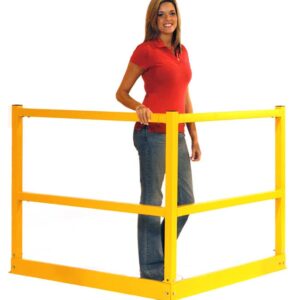
Understanding Loading Dock Hazards
An unprotected dock opening creates two primary risks:
- Personnel fall hazards
- Vehicle and equipment impact hazards
According to the analysis, OSHA requires fall protection when workers are exposed to unprotected walking-working surface edges four feet or more above a lower level. Loading dock doors, trailer bays, and elevated access points are common examples.
A complete dock safety program often addresses both fall protection and equipment impact protection simultaneously.
Choosing the Right Safety Barrier
Different hazards call for different barrier types.
Loading Dock Gates
Safety gates create a rigid barrier across an open dock position when no trailer is present. They are commonly used where frequent forklift access is required but the opening must remain protected between trailer movements.
The Defender Gate product family is identified in the analysis as having configurations tested to stop a 13,500-pound forklift traveling at 6.5 mph. Not all gate systems provide this level of impact protection, so forklift-rated requirements should be verified during selection.
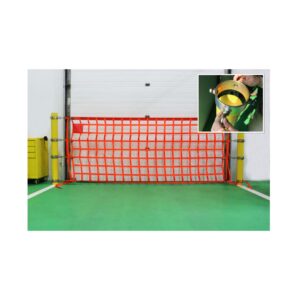
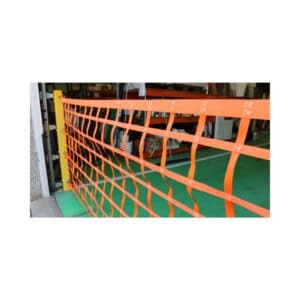
Loading Dock Safety Nets
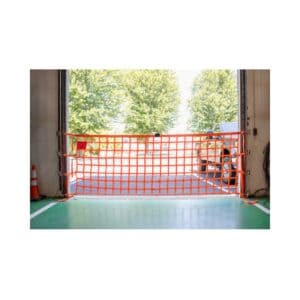
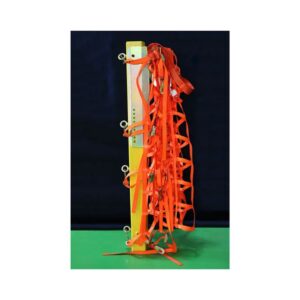
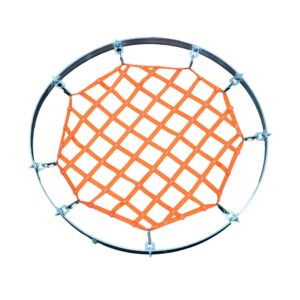
Safety nets provide flexible fall protection across a dock opening. They are often selected for wide openings, facilities with existing bollards, or installations where a rigid gate system is impractical.
Safety nets can provide protection while maintaining visibility and generally require less permanent structural hardware than a gate system.
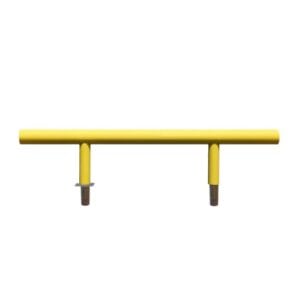
Loading Dock Guardrails
Guardrails are fixed barriers designed to separate pedestrian and vehicle traffic. They are commonly installed along dock edges, pedestrian routes, internal aisles, and warehouse traffic corridors.
Unlike gates and nets, guardrails are usually not intended to open or allow traffic through the protected area.
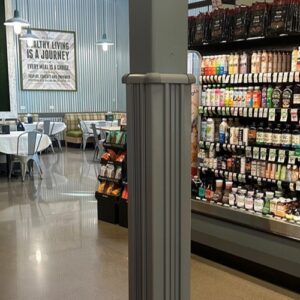
Loading Dock Bollards
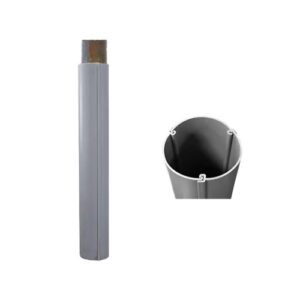
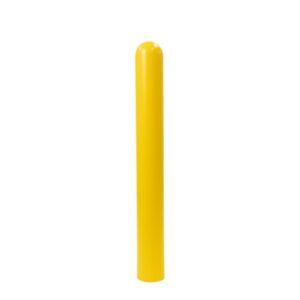
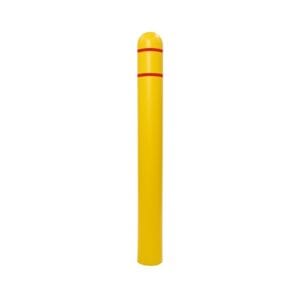
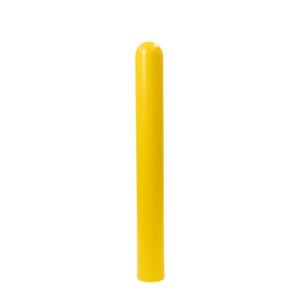
Bollards protect buildings, dock equipment, door tracks, and structural elements from vehicle impacts. Barron’s product lineup includes standard steel bollards, removable bollards, flexible bollards, and crash-rated models.
Industrial Handrail
Handrail systems provide pedestrian edge protection for walkways, elevated platforms, and general industrial traffic areas. They are commonly used in conjunction with other dock safety products as part of a complete facility safety system.
Safety Barrier Comparison
| Barrier Type | Primary Purpose | Best Application |
| Safety Gate | Fall protection and controlled access | Frequently used loading dock openings |
| Safety Net | Flexible fall protection | Wide openings and secondary barriers |
| Guardrail | Pedestrian and vehicle separation | Aisles, walkways, and dock perimeters |
| Bollard | Vehicle impact protection | Door tracks, corners, and structures |
| Industrial Handrail | Pedestrian fall protection | Platforms, stairs, and elevated walkways |
OSHA Fall Protection Considerations
Several OSHA regulations are associated with loading dock fall protection.
The analysis identifies:
- 29 CFR 1910.28 for fall protection at unprotected edges
- 29 CFR 1910.22 for walking-working surface conditions
- 29 CFR 1910.23 for gate and railing requirements
- 29 CFR 1910.29(b)(2) for mid-rail requirements
The specific requirements applying to a facility depend on the opening, employee exposure, equipment, barrier design, and operational procedures. Product selection alone does not establish OSHA compliance.
Building a Layered Dock Safety System
A single barrier does not always address every dock hazard.
Many facilities combine multiple systems to create a layered approach, such as:
- Safety gates at active dock doors
- Safety nets at wide openings
- Bollards protecting dock equipment and structures
- Guardrails separating pedestrian traffic
- Handrails protecting elevated walkways
This approach helps address both fall hazards and vehicle impacts throughout the loading dock area.
Crash-Rated Bollards
For facilities requiring vehicle-impact protection beyond traditional steel bollards, crash-rated products are available.
The analysis identifies:
- C40 crash-rated bollards
- K4/M30 crash-rated bollards
- K12/M50 crash-rated bollards
These products are associated with ASTM F2656 vehicle-impact testing standards and are commonly used to protect critical infrastructure, structures, entrances, and high-risk traffic areas.
Typical Applications
Loading dock safety barriers are commonly used in:
- Warehouses
- Distribution centers
- Manufacturing facilities
- Food-processing operations
- Pharmaceutical facilities
- Cold-storage warehouses
- Commercial shipping facilities
While the exact barrier configuration varies, the goal is always the same: reduce fall hazards and vehicle impacts while supporting safe loading operations.
Frequently Asked Questions
What is a loading dock safety barrier?
A loading dock safety barrier is a physical protection system designed to reduce fall and impact hazards at a loading dock opening. Common examples include gates, nets, guardrails, bollards, and handrails.
What OSHA standards apply to dock fall protection?
The analysis identifies OSHA 29 CFR 1910.28, 1910.22, 1910.23, and 1910.29(b)(2) as standards commonly associated with loading dock fall protection.
Can a dock gate stop a forklift?
Some can. The Defender Gate family includes configurations tested to stop a 13,500-pound forklift traveling at 6.5 mph. Product ratings should always be confirmed for the selected model.
Why would a facility use a safety net instead of a safety gate?
Safety nets may be preferred for wide openings, facilities with existing bollards, or locations where flexible fall protection is more appropriate than a rigid gate.
What is a crash-rated bollard?
A crash-rated bollard has been tested under vehicle-impact standards such as ASTM F2656 and is designed for higher-security or higher-risk applications.
Where does Barron Equipment install dock safety barriers?
Barron Equipment & Overhead Doors serves Iowa and Illinois, along with parts of Wisconsin, Minnesota, Missouri, and Nebraska.
Loading Dock Safety Barrier Selection
Barron Equipment & Overhead Doors helps warehouses, manufacturers, distribution centers, and commercial facilities evaluate loading dock safety barriers based on fall-protection needs, vehicle traffic, opening conditions, OSHA considerations, and long-term operational goals. Request a quote online to determine the right safety barrier system for your loading dock.