
Overview
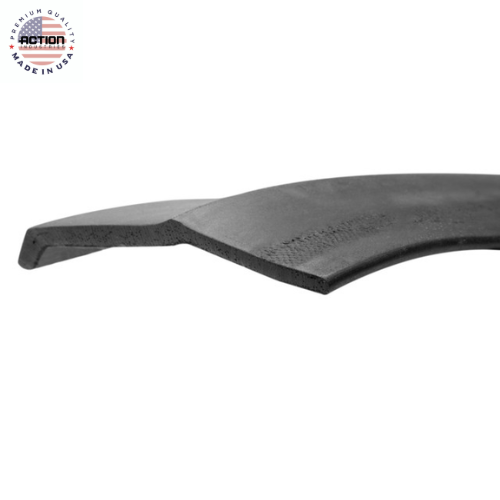
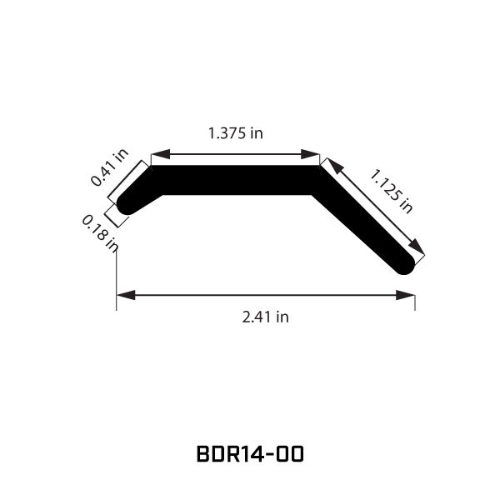
These EPDM bottom seals are designed to reduce drafts and create a cushion between the garage floor and the bottom of wood garage doors. Both are made from EPDM synthetic rubber and install by nailing directly to the underside of the door — no retainer or retainer channel is required. Once in place, each seal forms a continuous contact barrier where the door meets the floor, blocking out drafts, pests, moisture, leaves, and debris.
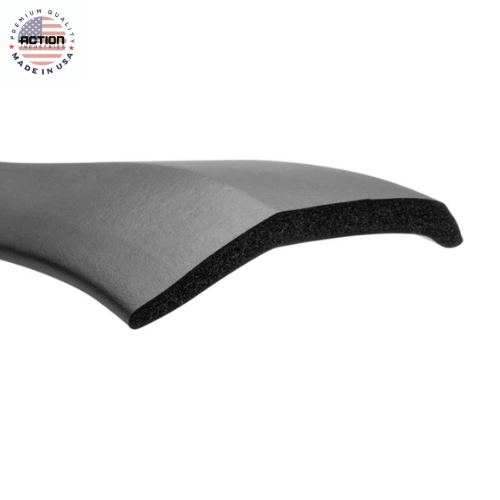
Two formulations are available to match different performance and budget requirements: a dense rubber option for maximum durability and weather resistance, and a soft sponge option as an economical alternative that offers a softer, more compressible seal against the floor. Both are designed exclusively for wood garage doors and are not compatible with steel or vinyl garage doors. Either option can be paired with a door threshold seal for an additional layer of floor-level weatherproofing.
Features & Benefits
Both seals share the same straightforward nail-on installation method. Galvanized roofing nails are required to attach the rubber seal to the wooden door. Garage door bottom rubber seals can be easily cut to any length with scissors, and the straightforward DIY installation means weatherstrips save money by reducing energy loss year-round. No retainer, no channel, no additional hardware is needed — the seal attaches directly to the door face and contacts the floor when the door closes.
The dense rubber option is made from dense, durable EPDM rubber that is resistant to extreme weather, and creates a cushion where it meets the garage floor to keep out drafts, pests, debris, and other weather conditions.The soft sponge option is an economical and heavy-duty weather sealing alternative that keeps out debris, pests, moisture, and leaves, with no retainer required. Both EPDM formulations are synthetic rubber, which means they perform consistently across a wide temperature range — an important characteristic for wood doors that are often found on exterior-facing applications where exposure to cold winters and hot summers is unavoidable. Both seals are also compatible with a door threshold seal, which can be installed along the garage floor for extra protection against water infiltration and drafts at floor level.
Applications
These nail-on EPDM bottom seals are designed for wood garage doors in residential and light commercial settings where the existing bottom seal is worn, cracked, missing, or no longer making consistent floor contact. Both options work best when the installer can cut the seal to the exact door width for a continuous, gap-free barrier. Common applications include:
- Residential wood garage doors — homes and garages where the door is constructed of wood and needs a replacement bottom seal that nails on without a separate retainer
- Commercial wood garage doors — light commercial facilities, storage buildings, barns, and workshops with wood door construction
- Energy-conscious applications — facilities looking to reduce drafts and improve heating efficiency through floor-level weatherstripping on wood doors
- DIY replacement projects — both options are designed for straightforward nail-on installation without professional tools or specialty hardware
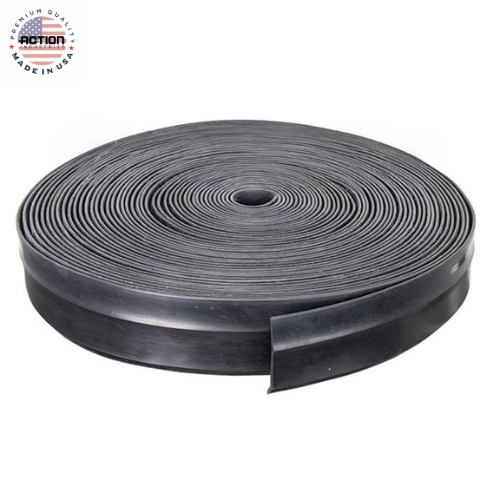
- Multi-door facilities — the 100-foot reel format is the practical choice for properties with multiple wood doors that need consistent weatherstripping across all openings
Selection Assistance
Both seals are EPDM synthetic rubber and share the same nail-on installation method, but they differ in material density and price point. Choosing between them comes down to the application's performance requirements and budget.
The dense rubber option is the better choice when long-term durability and resistance to heavy-duty conditions are the priority. Its firmer construction holds its shape under consistent floor contact and is better suited for doors that see heavy daily use or face particularly harsh outdoor weather conditions. It is the standard-performance option in this category. The soft sponge option is the better choice when budget is a key consideration or when a softer, more compressible contact point against an uneven floor surface is preferred. Because sponge EPDM compresses more easily than dense EPDM, it can conform slightly better to minor floor irregularities, making it a practical choice for older wood doors where the floor threshold may not be perfectly level. It is listed as the economical option for this reason.
For both products, confirm the door is constructed of wood before ordering. Neither seal is compatible with steel or vinyl garage doors. If you are unsure which option is the right fit for your door and environment, contact the Barron Equipment team for a recommendation before ordering.