

Oversized Polypropylene Brush Seal for Large Door Gaps
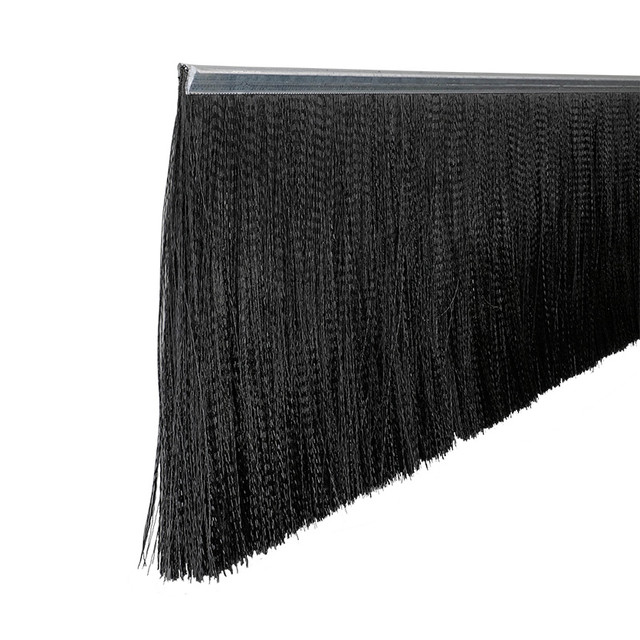
When standard weatherstripping can't bridge the gap, an oversized brush seal gets the job done. These large polypropylene brush seals from Action Industries are engineered to fill wide perimeter gaps around commercial and industrial door openings — blocking drafts, dust, pests, and moisture without restricting door operation. Each seal is built with dense polypropylene bristles wrapped tightly around a solid steel rod, locking the filaments in place and preventing pull-out even under heavy use.
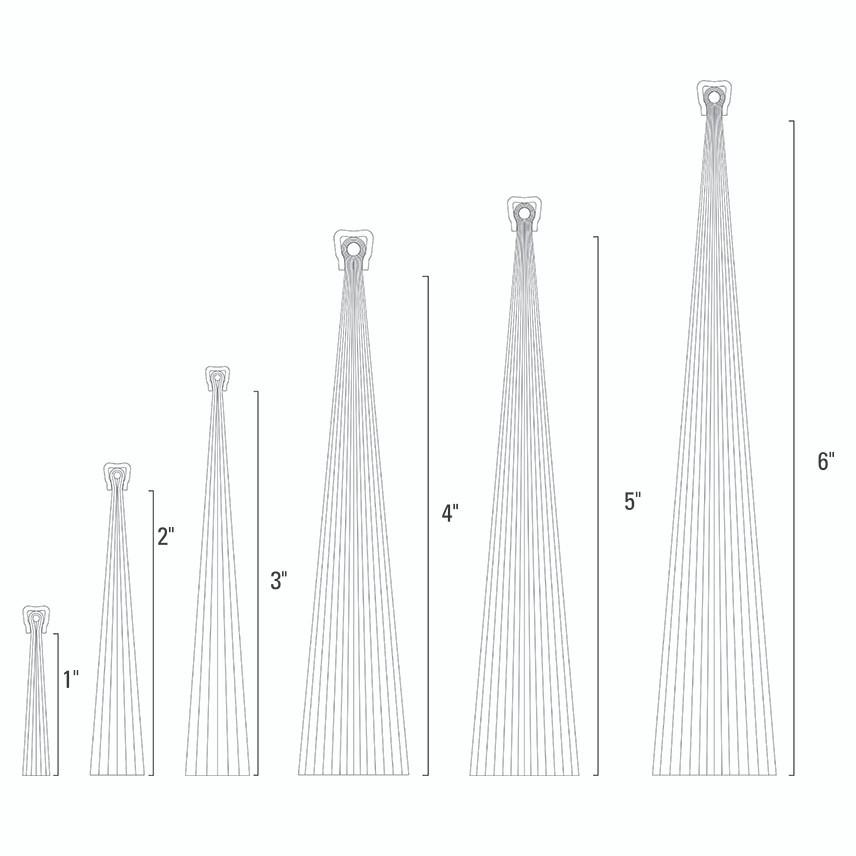
Available in six bristle widths — 1", 2", 3", 4", 5", and 6" — and five standard lengths from 6 to 10 feet, these oversized brush seals offer the flexibility to match virtually any large-gap application. Select your bristle width and seal length using the options above to find the right configuration for your opening.
Built for Sub-Zero and Harsh Environments
Polypropylene is the material of choice for brush seals in cold storage, refrigerated warehouses, and freezer-adjacent dock openings. Unlike rubber or vinyl alternatives, polypropylene filaments do not absorb water and will not freeze — even in sub-zero conditions. This means the seal maintains consistent contact and flexibility year-round, regardless of temperature swings or exposure to rain, ice, or washdown procedures.
The steel rod core adds structural integrity that keeps each bristle anchored in position. Over time, competing seal materials can warp, crack, or lose compression. Polypropylene brush seals hold their shape and sealing pressure through thousands of door cycles, reducing the frequency and cost of replacement.
How to Choose the Right Bristle Width
Selecting the correct bristle width depends on the size of the gap you need to seal. A wider bristle fills a larger gap, while a narrower bristle is appropriate for tighter tolerances where over-compression could interfere with door travel. Here is a general sizing guide:
- 1" Bristle (B3768): Best for small-to-moderate gaps where a subtle seal is needed without adding drag to the door panel.
- 2" Bristle (B3771): A common mid-range choice for standard commercial overhead door perimeters.
- 3" Bristle (B3772): Works well for doors with moderate misalignment or slightly uneven frames.
- 4" Bristle (B3774): Recommended for warehouse and distribution center doors with wider-than-average gaps.
- 5" Bristle (B3775): Designed for large industrial openings where significant clearance exists between the door and frame.
- 6" Bristle (B3776): The widest option — ideal for oversize dock doors, high-traffic openings, or doors with substantial frame irregularities.
All six widths are compatible with #7 large aluminum retainers from Action Industries, which mount to the door frame and hold the seal spine securely in the channel. If you are unsure which width is right for your application, contact a Barron product specialist for sizing assistance.
Applications
Large polypropylene brush seals are used across a range of commercial and industrial settings where controlling airflow, temperature, and contamination through a door opening is critical. Common applications include cold storage facilities where preventing warm air infiltration directly impacts operating costs, food processing plants where keeping pests and airborne particulates outside is a regulatory concern, and distribution centers where dock door gaps lead to wasted heating and cooling energy. These seals are also an effective solution for fire station apparatus bays, agricultural buildings, and manufacturing facilities with oversized roll-up or sectional doors.
Durable Construction, Long Service Life
Every seal in this series uses the same proven construction method. Polypropylene filaments are packed densely and wrapped around a solid steel rod, then crimped into a metal spine. The spine locks into a #7 large aluminum retainer channel — no adhesives, no fasteners — making installation and future replacement straightforward. When a seal eventually wears, the retainer stays mounted and a new brush seal simply slides into the existing channel.
This modular design means lower long-term maintenance costs. Facility teams can stock replacement seal lengths and swap them out during routine maintenance windows without calling for outside service.