
Overview
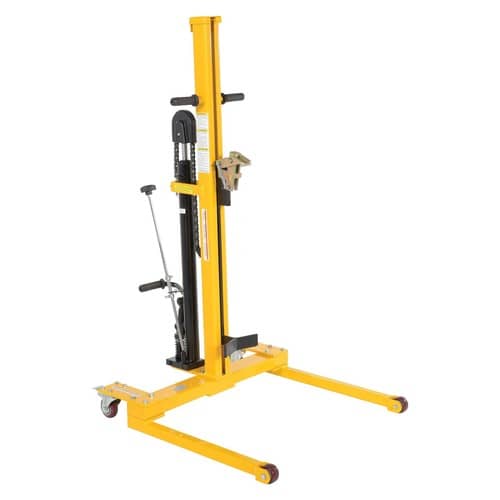
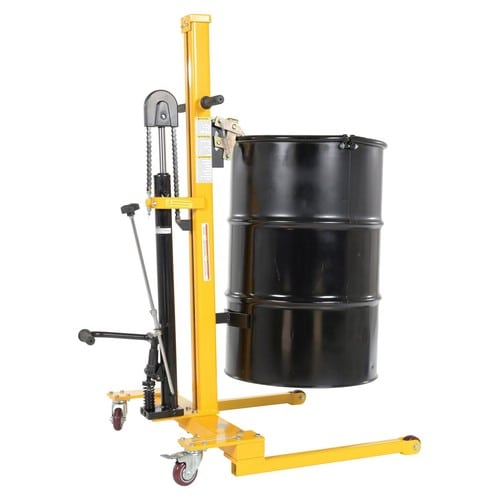
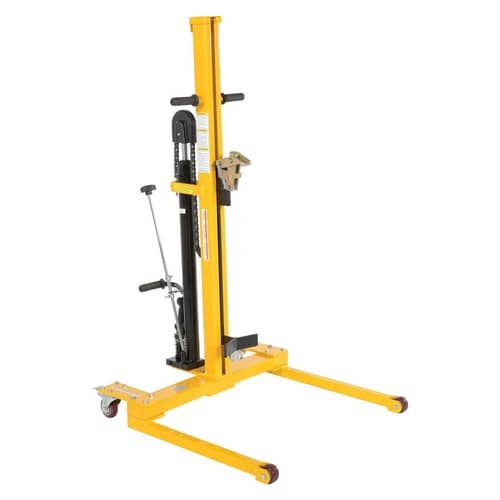
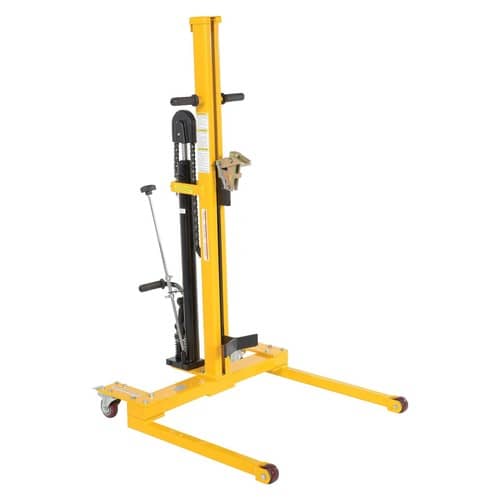
Barron Equipment and Overhead Door offers drum handling solutions as part of our safety equipment product line. A manual low‑profile hydraulic drum truck is designed to support safe handling of a drum tank in facilities where a forklift is not available. This type of equipment is commonly used for loading, unloading, transporting, and positioning 55‑gallon drums within warehouses, production floors, and service areas.
This category focuses on a low‑profile, manually operated hydraulic drum truck intended for single‑operator use. The design allows one person to engage an elevated drum, lift it using hydraulic force, and move it into position as needed. In many operations, this equipment may also be described as a cylinder drum tank handling solution, since it supports controlled movement of large cylindrical containers.
The low‑profile configuration supports internal workflows where drums must be handled in tight areas or where overhead clearance is limited. It is intended to improve control during drum movement while reducing physical strain associated with manual lifting.
Features and Benefits
This drum tank handling unit is designed to work with standard 55‑gallon drums. A spring‑loaded rim clamp securely grasps the rim of the drum, helping hold it in place during lifting and transport. This clamping method supports stable engagement while the drum is being moved or repositioned.
Lifting is achieved using a foot‑operated hydraulic pump. This system allows the operator to raise the rim clamp to the required working height. Hydraulic lifting supports smoother movement and helps eliminate the need for powered lifting equipment in areas where forklifts cannot be used.
The low‑profile design allows the unit to approach drums stored at ground level or on low staging surfaces. This makes it well suited for facilities with narrow aisles, low clearances, or closely spaced workstations. As a cylinder drum tank handling tool, it supports precise positioning when alignment is required.
The drum truck is equipped with multiple wheels to support controlled movement across facility floors. Smooth rolling performance helps improve maneuverability when repositioning drums over short or moderate distances. The steel frame construction is intended for durability in industrial and warehouse environments.
For flexibility, the unit is designed to be assembled or disassembled for storage. This can be beneficial in operations where drum handling equipment is used periodically and stored when not in use.
Applications
Common applications include:
- Loading and unloading 55‑gallon steel drums
- Transporting drums between storage, staging, and work areas
- Positioning drums for processing, filling, or emptying operations
- Use as a drum tank handling solution where forklifts are unavailable
- Facilities that require a cylinder drum tank unit for controlled internal movement
In these environments, the drum truck allows a single operator to move and position heavy drums using hydraulic lifting and rolling transport. The rim clamp helps keep the drum secured during movement, while the low‑profile design supports use in confined work areas. This approach helps improve handling efficiency and reduces reliance on manual lifting methods.
FAQs
What is a drum tank used for?
A drum tank is designed to store, transport, and manage liquids or materials in industrial environments. It can be used in conjunction with lifting equipment to improve handling efficiency and reduce manual labor.
What is the crane lifting capacity of this drum tank?
This drum tank features a crane lifting capacity of 100 lbs., allowing it to be safely lifted and positioned using compatible crane systems within its rated operating limits.
Why would I use a drum tank with a crane?
Using a crane allows operators to lift and position the drum tank in areas that may be difficult to access with forklifts or other material handling equipment, improving flexibility and efficiency.
What industries commonly use drum tanks?
Drum tanks are frequently used in manufacturing facilities, chemical processing plants, maintenance departments, warehouses, food processing operations, and industrial production environments.
How does a drum tank improve workplace safety?
A drum tank can help reduce manual handling requirements and provide a more controlled method for storing and transferring liquids, helping minimize spills and employee strain.
What types of materials can be stored in a drum tank?
Drum tanks are commonly used for liquids, chemicals, oils, lubricants, process fluids, and other industrial materials. Users should always verify compatibility with the product being stored.
Can a drum tank improve operational efficiency?
Yes. A drum tank helps centralize material storage and can simplify transfer, handling, and dispensing processes, helping facilities improve workflow efficiency.
What should I consider when selecting a drum tank?
Important considerations include storage capacity, material compatibility, lifting requirements, operating environment, transfer needs, and compatibility with existing material handling equipment.
Can a drum tank support material handling operations?
Yes. When used with compatible lifting and transfer equipment, a drum tank can help streamline material movement throughout a facility and reduce handling time.
How does crane compatibility benefit drum tank applications?
Crane compatibility allows operators to move the tank vertically and position it accurately, which can be especially useful in manufacturing, maintenance, and industrial processing environments.
Can a drum tank help improve facility organization?
Yes. A dedicated drum tank can provide centralized storage for materials, helping improve inventory control, housekeeping, and overall facility organization.
Selection Assistance
Begin by confirming the type and size of drums used in your operation. This drum tank handling unit is designed for standard 55‑gallon steel drums. Ensuring proper rim compatibility is important for secure engagement and safe handling.
Next, consider how drums move through your facility. If drums are frequently lifted, repositioned, or transferred without forklift access, a manual hydraulic solution may fit the workflow. A cylinder drum tank handling unit supports these tasks while offering controlled lifting and placement.
Evaluate available space and access points. The low‑profile frame allows the unit to operate in areas with limited clearance or tight layouts. Selecting equipment that fits your facility layout helps support safer and more efficient drum movement.
It is also helpful to consider storage and usage frequency. If drum handling equipment is not used continuously, the ability to store the unit when not in use may be an advantage.
Barron Equipment and Overhead Door can help determine whether this drum handling solution aligns with your drum specifications, facility layout, and operational needs. Choosing the right equipment supports safer, more organized handling of drum tanks during daily operations.