
Overview
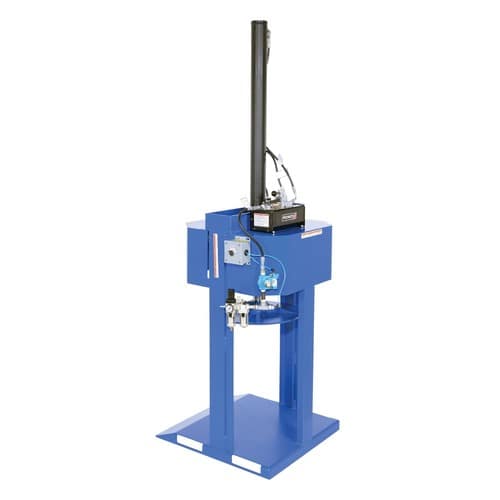
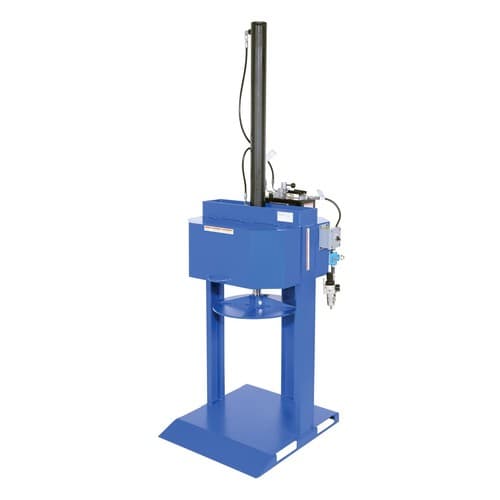
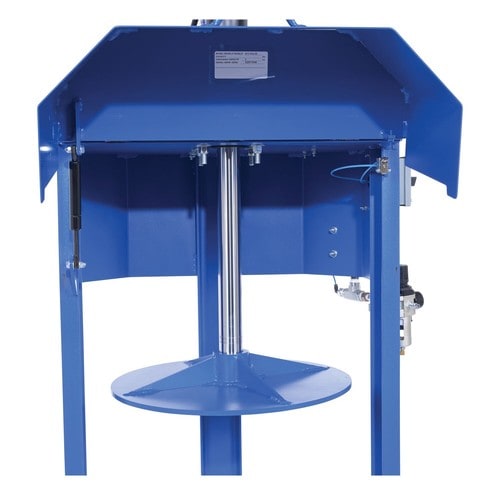
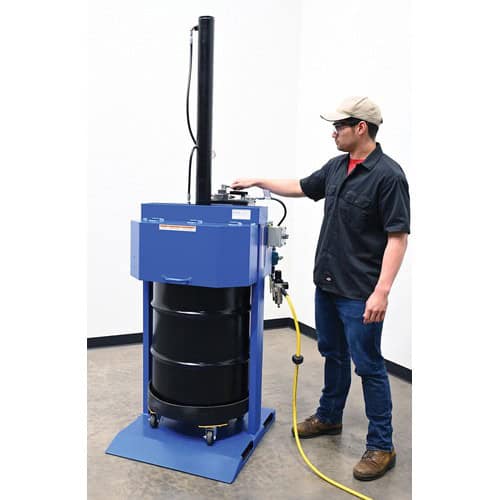
A pneumatic trash compactor helps you press waste into a 55‑gallon drum so you can reduce trash volume and keep the area neat. This type of trash compactor uses air power (pneumatic input) and simple controls to drive a hydraulic cylinder that pushes down with strong force. This helps reduce the volume of waste in a short time. The design shown for this product family is made for use with 55 gallon drums.
In many plants, trash compactors are used to manage everyday trash bags, packaging, and other shop waste. When the waste is pressed down, you get compacted trash that takes up less room. That can mean fewer drum changes and a cleaner work zone. In simple terms, trash compactors offer a way to save space and support safer housekeeping.
By keeping waste in one spot, it can lower slip risks near dumpsters and dock doors. Less loose trash means fewer quick cleanups. Over time, better compaction also saves space in waste staging areas for busy teams.
Features and Benefits
This pneumatic trash compactor is built with steel construction and a painted finish to help limit abrasion and keep surfaces smoother during normal use. It is described as having built‑in fork pockets, which can help move the unit with a forklift when needed. It is also described as pneumatic crushing power, with compaction force listed as 68 PSI for the model shown.
Because this is an industrial trash compactor, it is meant for repeated use in busy work areas. Pneumatic operation can be helpful when you want waste reduction without relying on electrical power at the compactor. The down force from the hydraulic cylinder supports steady trash compacting, which helps reduce the volume and keeps loose material from overflowing the drum.
When you compare types of trash compactors, you will see many styles. Some are freestanding trash compactors that sit on the floor. Others are a built in trash compactor in a cabinet or counter. Some are fully integrated into a waste room layout. Some markets also look for stainless steel surfaces, finished front panels, or features such as anti jam designs. Those features depend on the model and the setting, so it is important to match the equipment to the job.
Applications
Common places to use a pneumatic unit include:
- Manufacturing and production areas where waste builds up during a shift
- Warehouses and shipping zones where packaging material needs control
- Maintenance shops that collect rags, absorbents, and general shop debris
- Work areas that handle dry waste and, where appropriate, wet waste collected into drums
In day‑to‑day work, a trash compactor supports cleaner waste handling by keeping material contained in a drum. When trash bags are placed into the drum and compacted, the drum can hold more before it is full. This can help teams reduce trash volume, reduce trips to the dumpster, and keep aisles clearer.
FAQs
What is a pneumatic trash compactor used for?
A pneumatic trash compactor is designed to compress waste materials using air-powered force, helping reduce the volume of trash and improve waste management efficiency in industrial and commercial environments.
How does a pneumatic trash compactor work?
A pneumatic trash compactor uses compressed air to generate force that compacts waste materials inside a drum or collection container. This helps reduce storage space requirements and minimize the frequency of waste disposal.
What is the load capacity of this pneumatic trash compactor?
This model has a 150 lb. capacity and is designed to support waste compaction applications within its rated operating limits.
What are the benefits of using a pneumatic trash compactor?
A pneumatic trash compactor can help reduce waste volume, lower disposal costs, improve workplace organization, and make waste handling more efficient by maximizing container capacity.
Why are polyurethane casters used on this unit?
Polyurethane casters provide durability, smooth rolling performance, and excellent floor protection. They also help make the compactor easier to move between work areas when needed.
What industries commonly use pneumatic trash compactors?
Pneumatic trash compactors are frequently used in manufacturing facilities, warehouses, distribution centers, recycling operations, maintenance departments, and industrial processing environments.
How does a trash compactor improve workplace safety?
By reducing overflowing waste containers and keeping waste materials better contained, a trash compactor can help create a cleaner work environment and minimize housekeeping-related hazards.
Can a pneumatic trash compactor help reduce waste disposal costs?
Yes. By compressing materials and reducing the amount of space waste occupies, a trash compactor can help decrease the number of waste pickups and improve overall waste management efficiency.
What should I consider when selecting a pneumatic trash compactor?
Important considerations include waste volume, air supply availability, load requirements, mobility needs, operating environment, container compatibility, and the types of materials being compacted.
Can a pneumatic trash compactor improve operational efficiency?
Yes. A pneumatic trash compactor helps reduce the frequency of waste handling and disposal activities, allowing employees to spend more time on productive tasks.
Can a pneumatic trash compactor support facility cleanliness initiatives?
Yes. By keeping waste contained and reducing clutter from overflowing containers, a pneumatic trash compactor can help maintain a cleaner, more organized facility.
Selection Assistance
Start by confirming the waste container style you use. This product family is described as being specific for 55 gallon drums, so drum size and fit matter. Next, think about how you will move the unit. Built‑in fork pockets can be useful if you plan to reposition the compactor with a forklift.
Then review your air supply and space. Pneumatic units need a compressed air source. Also consider the footprint and height so the compactor fits where people will load waste. If your team measures performance, you might talk about compaction ratio. This is a simple way to describe how much the waste is reduced after pressing.
Finally, keep user needs in mind. Some facilities want simple, heavy duty equipment for shop waste. Other spaces, like break rooms or areas closer to household waste, may compare features such as touch toe controls or a drawer opener style. Those terms are more common in consumer compactors than in drum‑based systems, but they can still come up when people research options.
Barron Equipment can help you sort through these choices and select a pneumatic trash compactor that matches your work area, waste type, and handling process.