
Overview
Hinges connect the sections of a garage door together and carry the rollers that guide the door through the track. Every time the door opens and closes, the hinges flex at the joint between panels, bear the weight of the sections above and below them, and keep the rollers aligned in the track. On commercial and industrial doors — where the panels are heavier, the door is taller, and the cycle count is higher — hinges need to be built from thicker steel to handle the load without bending, cracking, or wearing out prematurely.
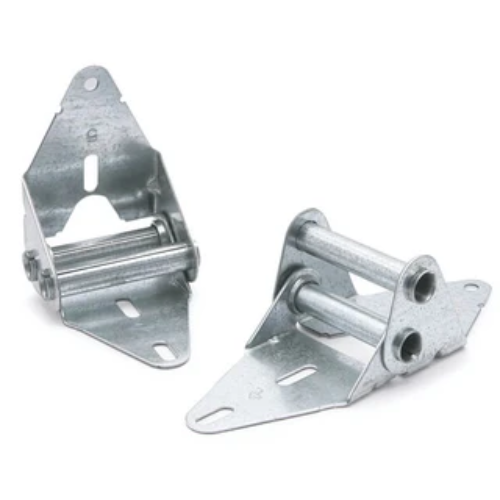
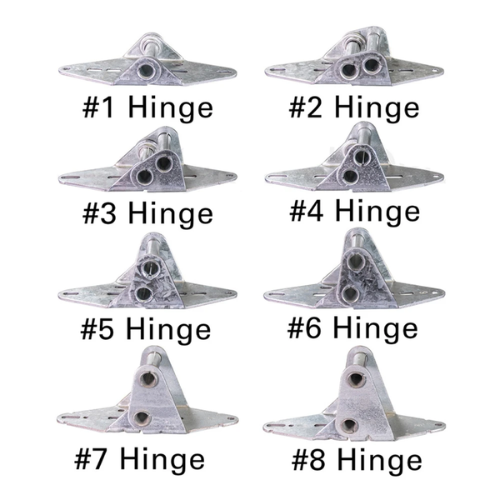
Barron Equipment stocks Action Industries 11-gauge galvanized steel hinges in positions #1 through #10 for commercial and heavy-duty residential sectional garage doors. The galvanized finish resists corrosion, and the 11-gauge steel construction provides the strength and rigidity that heavier doors demand. Each hinge is compatible with standard rollers using 7/16″ diameter stems and is sold individually.
How Hinge Position Numbers Work
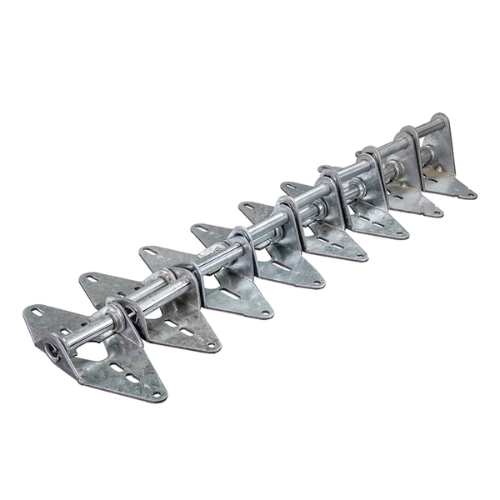
Garage door hinges are numbered to match the section joint where they install on the door. The number corresponds to the position on the door — #1 goes at the top section joint, #2 at the next joint down, and so on. As the hinge number increases, the roller offset (the distance from the hinge barrel to the roller stem) increases as well. This progressive offset is what allows the door sections to articulate properly as they transition from vertical travel along the jamb into the curved track radius and then into horizontal travel along the ceiling.
Using the wrong hinge number at a given position will misalign the roller in the track, causing the door to bind, drag, or operate unevenly. Always match the hinge number to the panel joint position it’s being installed on.
Available Positions
- HI011-01-H — #1 Position (top section joint)
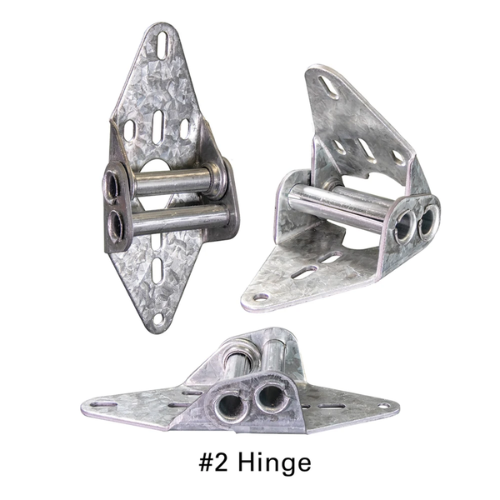
- HI011-02-H — #2 Position
- HI011-03-H — #3 Position
- HI011-04-H — #4 Position
- HI011-05-H — #5 Position
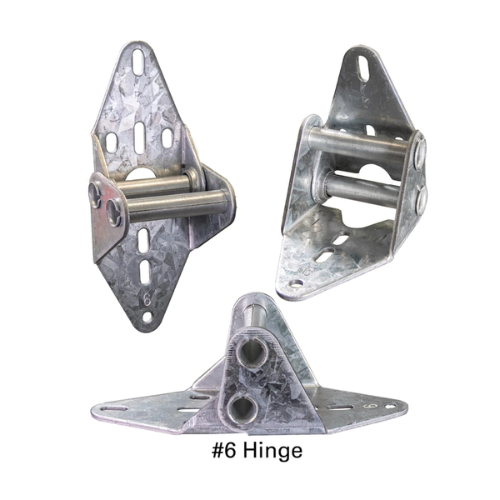
- HI011-06-H — #6 Position
- HI011-07-H — #7 Position
- HI011-08-H — #8 Position
- HI011-09-H — #9 Position
- HI011-10-H — #10 Position (highest offset, tallest doors)
Positions #1 through #5 cover standard commercial doors. Positions #6 through #10 extend coverage to taller commercial and industrial doors with more sections and greater track spacing requirements.
11 Gauge vs. 14 Gauge
The gauge number refers to the thickness of the steel — and lower numbers mean thicker metal. 11-gauge steel is substantially thicker and stronger than 14-gauge, which is why 11-gauge hinges are specified for commercial and heavy-duty applications where the door panels are heavier and the cycle count is higher. Standard residential doors typically use 14-gauge hinges (positions #1 through #5), while commercial doors, industrial doors, and heavy residential doors use the 11-gauge versions listed on this page. If you’re working on a commercial or industrial door, 11-gauge is the correct specification.
Construction
These hinges are constructed from 11-gauge galvanized steel. The galvanized coating provides a layer of zinc protection against rust and corrosion — important in garages and commercial bays exposed to moisture, temperature swings, and outdoor air. The roller pocket accommodates standard garage door rollers with 7/16″ diameter stems, making these hinges compatible with the rollers used on most sectional garage doors in the field today.
Selection Assistance
Not sure which hinge positions your door needs? Count the section joints on the door from top to bottom — each joint gets a hinge number matching its position. If you can see a number stamped into the existing hinge, match it. If the stamp has worn off, measure the roller offset height and compare it to the specification for that position. For help identifying the right hinges, contact Barron Equipment.