
Overview
Spill containment products are an important part of maintaining safe and organized work environments. These solutions are designed to sit beneath drums, containers, or handling equipment to collect small leaks and drips before they reach the floor. By controlling minor spills at the source, facilities can reduce slip hazards and keep work areas cleaner and safer for employees.
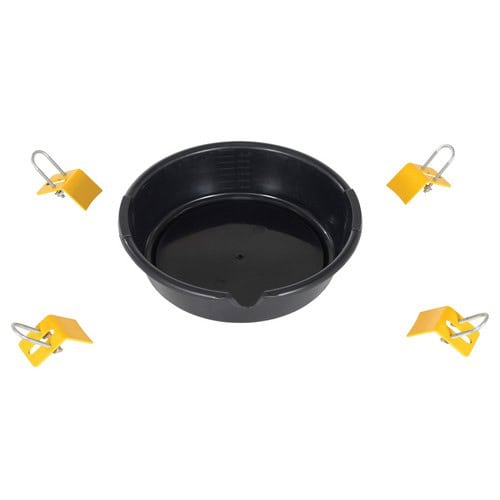
In locations that store or move drums, containment trays are commonly used to manage everyday leaks caused by dispensing, transferring, or long-term storage. A 55 gallon drum drip pan is often used with standard drum sizes, while an oil drum drip pan is helpful in areas where lubricants or other fluids are present. These products support safer workflow without changing how drums are handled or stored.
Features and Benefits
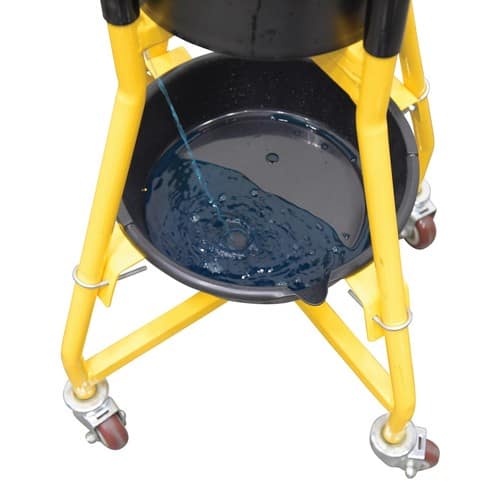
Spill containment solutions are designed to provide dependable protection in industrial environments. Many options are shaped to fit beneath drum carts, cradles, or dollies, helping collect drips while drums are stationary or being handled. Placing a collection surface beneath the drum helps limit messes and reduces the need for frequent cleanup.
Using drip pans also helps protect floors from staining, corrosion, or damage caused by leaking fluids. Containment products can support better housekeeping by keeping leaks contained to one area rather than spreading across walkways or work zones. This improves overall safety and helps facilities stay organized.
A 55 gallon drum drip pan is commonly used for standard drum storage, while an oil drum drip pan supports operations handling lubricants, coolants, or similar fluids. Together, these options help reduce workplace hazards and support safer daily operations.
Applications
Spill containment trays are used in a wide range of industrial and commercial settings where drums are handled regularly.
Common applications include:
- Controlling small leaks during drum storage
- Collecting drips during liquid transfer
- Placement beneath drum carts, dollies, or cradles
- Supporting cleaner maintenance areas
- Helping keep floors and walkways clear
In everyday use, these solutions provide added protection without slowing down production. When positioned correctly, a containment tray helps manage small leaks before they become larger safety concerns. This makes them a practical choice for warehouses, manufacturing facilities, and service areas that regularly work with drums.
FAQs
What is a drip pan used for?
A drip pan is designed to collect leaks, drips, and small spills from equipment, drums, containers, and fluid transfer operations. It helps keep work areas clean while protecting floors and surrounding equipment from liquid exposure.
What is the capacity of this drip pan?
This drip pan has a 6-quart capacity, making it ideal for capturing small amounts of liquid generated during routine maintenance, dispensing, storage, and equipment operation.
How does a drip pan improve workplace safety?
By containing liquids before they spread across floors or walkways, a drip pan helps reduce slip hazards, minimize cleanup efforts, and support a safer working environment.
What types of liquids can be collected in this drip pan?
Drip pans are commonly used to collect oils, lubricants, coolants, cleaning solutions, hydraulic fluids, and other industrial liquids. Users should verify compatibility with the specific fluid being handled.
What industries commonly use drip pans?
Drip pans are frequently used in manufacturing facilities, warehouses, maintenance departments, chemical processing plants, automotive service centers, and industrial production environments.
Can this drip pan be used beneath drums and dispensing equipment?
Yes. Drip pans are commonly placed beneath drums, pumps, valves, faucets, machinery, and dispensing stations to capture small leaks and drips before they create larger housekeeping or safety concerns.
Why use a drip pan instead of cleaning spills after they happen?
A drip pan helps contain liquids at the source, reducing cleanup time, preventing fluid migration throughout the facility, and helping avoid damage to floors and nearby equipment.
Can a drip pan support spill prevention programs?
Yes. Drip pans are commonly used as part of spill prevention and facility housekeeping programs to help control minor leaks and maintain cleaner operations.
What should I consider when selecting a drip pan?
Important considerations include containment capacity, dimensions, the type of fluid being collected, available installation space, and the equipment or containers being protected.
Can a drip pan help protect facility floors and equipment?
Yes. By containing leaks and drips, a drip pan can help reduce corrosion, staining, and surface deterioration while protecting nearby equipment from fluid exposure.
Can a drip pan help improve facility cleanliness and organization?
Yes. Capturing leaks and drips before they spread helps maintain cleaner workspaces, improves housekeeping efforts, and supports a more organized and professional facility appearance.
Selection Assistance
Selecting the right spill containment option begins with understanding your application. Consider the size and type of drum being used and whether a 55 gallon drum drip pan is needed. It is also important to review how the drum is handled, such as whether it rests on a cart, dolly, or cradle.
Material, size, and placement requirements should also be reviewed to ensure proper fit and spill coverage. Choosing the right drip pan helps improve safety while keeping operations running smoothly.
Barron Equipment can help review your setup and recommend a containment solution that matches your equipment and workflow. Proper selection helps support effective leak control while maintaining a clean and safe work environment.