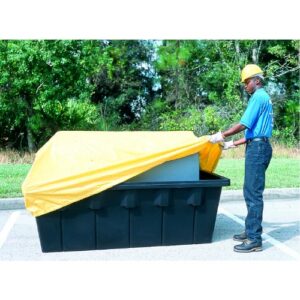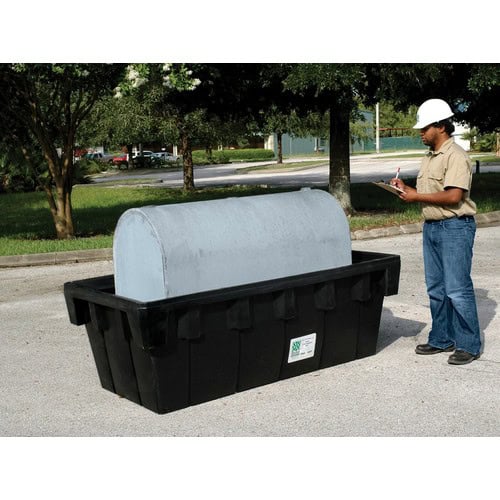
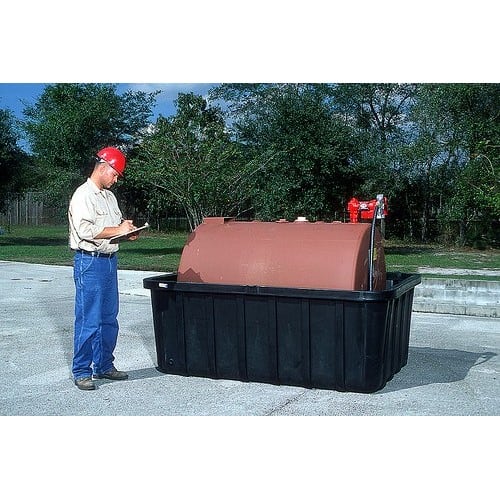
Overview
Barron Equipment and Overhead Door offers storage and spill control solutions as part of our safety equipment product line. Fuel tank containment systems are designed to safely store fuel and oil while helping prevent leaks, drips, and hazardous spills. These systems act as a key line of defense for spill prevention, supporting cleaner and safer work environments.
This category includes solutions such as a fuel tank container and a fuel tank with containment, which are used to support aboveground storage tanks in a wide range of industries. These systems are specifically used with fuel storage tank setups that handle liquids like diesel fuel, heating oil, and other fuel and oil products.
In many environments, including construction sites and industrial facilities, proper fuel tank containment is essential for environmental protection and safe operation. These systems are specifically designed to manage portable fuel storage as well as stationary tanks used for long term applications.
Features and Benefits
A fuel tank with containment is designed to provide complete containment for common tank sizes, including systems that support 275 gallon fuel oil tank containment and larger applications such as 500 gallon fuels tank containment. These systems help capture leaks or overflow before they spread, protecting both workers and equipment.
Many fuel containment tanks are constructed from durable polyethylene materials. This type of construction resists corrosion and supports long-term performance when storing liquids such as gasoline or diesel. These materials also help maintain reliability in both indoor and outdoor environments.
These systems are often designed to work alongside secondary containment systems, adding an extra layer of protection around the primary tank. This helps contain liquids in the event of a leak and supports safer storage practices.
In addition to containing spills, these solutions help improve organization by creating a defined storage area. Some setups may be used in combination with other protection methods such as spill pallets or fuel containment berms, depending on the application.
By reducing the risk of hazardous spills, fuel container tank equipment helps support compliance with safety standards while protecting surrounding surfaces and equipment.
Applications
Common applications include:
- Storing fuel and oil with fuel tank containment systems
- Supporting aboveground storage tanks in industrial settings
- Using a fuel tank with containment for diesel fuel or heating oil
- Managing fuel storage at construction sites
- Pairing systems with fuel containment berms or spill pallets for added protection
- Using 275 gallon fuel oil tank containment for standard storage setups
- Implementing 500 gallon fuels tank containment for larger capacity needs
In these environments, containment systems help reduce the risk of spills by capturing liquids before they spread. This improves safety and supports better organization in areas where fuel and oil are handled daily. These products play an important role in environmental protection by helping prevent leaks from reaching floors, soil, or nearby equipment.
FAQs
What is fuel tank containment used for?
Fuel tank containment systems are designed to capture leaks, drips, and spills from fuel tanks and other liquid storage containers. They help protect the surrounding environment while supporting safer fuel storage practices.
Why is secondary containment important for fuel storage?
Secondary containment helps prevent fuel from spreading beyond the storage area in the event of a leak or tank failure. It can help reduce cleanup costs, protect surrounding property, and support environmental stewardship efforts.
Why are multiple weight capacity options available?
Different fuel tanks vary in size and weight. Multiple capacity options allow facilities to select a containment system that properly supports their tank while meeting storage and operational requirements.
What types of fuel tanks can be used with a containment system?
Fuel tank containment systems are commonly used with above-ground fuel tanks, diesel storage tanks, gasoline tanks, and other liquid storage containers. Users should verify compatibility with their specific tank configuration.
What industries commonly use fuel tank containment systems?
Fuel tank containment systems are frequently used in construction, agriculture, transportation, manufacturing, utility operations, municipalities, maintenance facilities, and industrial storage environments.
How does fuel tank containment improve workplace safety?
Fuel tank containment helps control leaks and spills before they spread into work areas, reducing slip hazards, fire risks, and environmental concerns associated with fuel storage.
Can fuel tank containment be used outdoors?
Yes. Many containment systems are designed for outdoor fuel storage applications, helping protect the surrounding environment from accidental spills and leaks in a variety of weather conditions.
What should I consider when selecting a fuel tank containment system?
Important considerations include tank size, total loaded weight, containment capacity requirements, fuel type, environmental conditions, available space, and facility-specific safety requirements.
Can fuel tank containment support environmental compliance efforts?
Yes. Secondary containment systems are commonly used as part of environmental management and spill prevention programs to help reduce the risk of fuel releases and improve containment preparedness.
Can fuel tank containment help reduce cleanup costs?
Yes. By capturing leaks and spills before they spread, containment systems can help minimize cleanup efforts, reduce potential property damage, and improve operational readiness.
How can fuel tank containment improve facility organization?
A dedicated containment area creates a designated storage location for fuel tanks, helping improve site organization, simplify inspections, and promote safer.
Selection Assistance
Start by identifying the size of your tank. A 275 gallon fuel oil tank containment system is a common option for standard applications, while larger setups such as 500 gallon fuels tank containment are better suited for higher-volume storage.
Next, consider how the system will be used. A fuel tank container designed for portable fuel use may differ from one used for permanent or long term storage. Matching the application to the correct product helps ensure proper performance.
Think about the type of liquid being stored. Whether handling diesel fuel, gasoline or diesel, or heating oil, it is important to choose a system that supports safe storage and containment for those materials.
It is also helpful to evaluate how the system fits into your overall safety setup. Pairing a fuel tank with containment with other secondary containment systems such as spill pallets can provide additional protection in high-risk environments.
Barron Equipment and Overhead Door can help you choose the right solution for your operation. The right fuel containment tanks will improve safety, reduce spill risks, and support efficient fuel storage across your facility.