
Overview
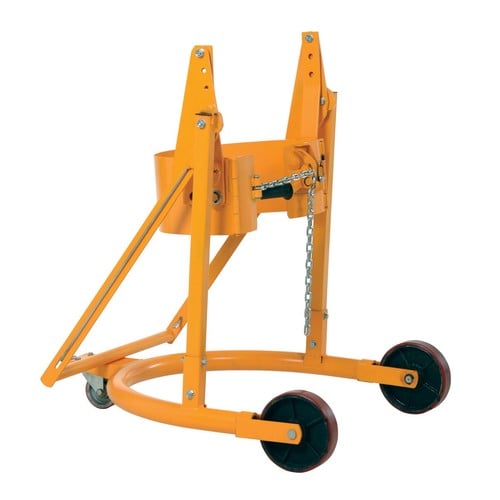
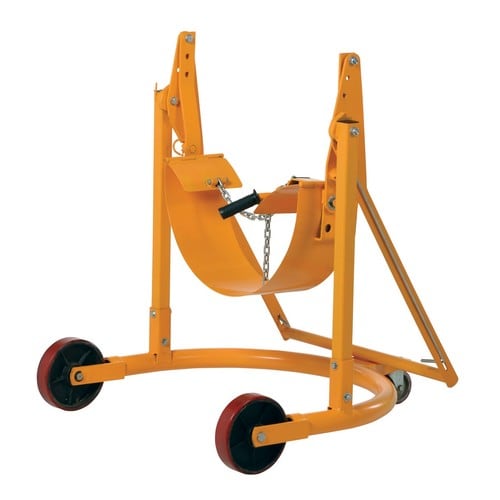
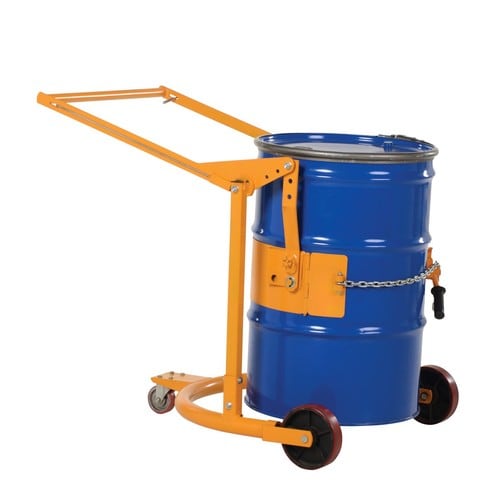
Safety equipment plays an important role in protecting workers and materials during daily operations. The drum carrier product line supports safer and more controlled handling of industrial drums in warehouses, manufacturing plants, and loading areas. Drums are often heavy, bulky, and hard to grip, which increases the risk of injury if handled by hand. A drum carrier reduces this risk by holding the drum securely while moving or positioning it.
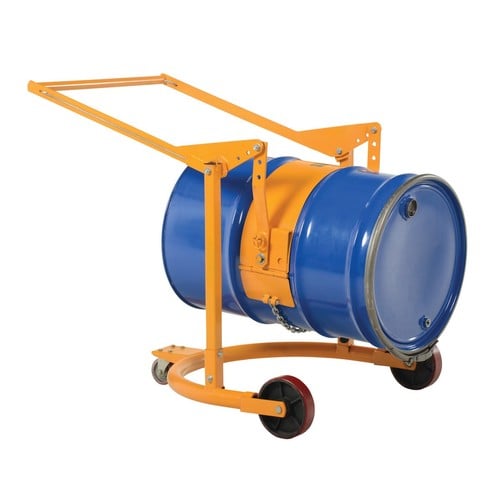
Many operations also benefit from a drum carrier and rotator, which allows a drum to be turned or adjusted with better control. Instead of manually tilting or shifting a drum, workers can rotate it smoothly to the desired position. These products help improve safety, reduce physical strain, and support more efficient material handling workflows. Drum carrier solutions are commonly used as part of a broader safety equipment strategy focused on preventing injuries and equipment damage.
Features and Benefits
Drum carrier equipment is designed to improve safety and control when working with drums. By supporting the weight of the drum, these products help reduce lifting hazards and lower the chance of spills. A drum carrier keeps the drum steady during transport, allowing workers to move it with confidence.
A drum carrier and rotator adds another level of control by making it easier to turn or align a drum when needed. Rotation features can help position a drum for storage, transfer, or emptying without sudden movement. Using proper drum handling equipment also helps protect floors, nearby equipment, and the drum itself from damage caused by drops or improper handling. Over time, this can lead to fewer workplace incidents and more consistent operations.
Applications
Drum carrier equipment is used anywhere drums are part of daily work.
Common applications include:
- Warehouses storing or moving liquid products
- Manufacturing lines that use drum‑based materials
- Maintenance areas repositioning drums for service
- Loading and unloading tasks involving heavy drums
In these environments, a drum carrier supports safer transport from one area to another. A drum carrier and rotator is especially helpful when a drum must be adjusted, angled, or aligned without manual effort. By keeping the drum controlled at all times, these products help teams work more efficiently while following safer handling practices. Drum carrier equipment also supports consistent workflows, even in tight spaces where manual handling would be difficult.
FAQs
What is a manual drum carrier used for?
A manual drum carrier is designed to lift, transport, rotate, and position drums throughout a facility. It helps operators handle heavy drums safely while reducing manual effort and improving workflow efficiency.
What size drums can this drum carrier accommodate?
This drum carrier is designed for use with standard 55-gallon drums, making it suitable for a variety of industrial drum handling applications.
What does the 800 lb capacity mean?
The 800 lb capacity indicates the maximum weight the drum carrier is designed to safely handle when operated according to manufacturer recommendations.
What is the benefit of 360-degree drum rotation?
A 360-degree rotation capability allows operators to fully reposition the drum for dispensing, pouring, emptying, or storage applications. This added flexibility helps improve control and operational efficiency.
How does a manual drum carrier improve workplace safety?
A manual drum carrier reduces the need to manually lift, roll, or tilt heavy drums, helping minimize the risk of strains, spills, dropped loads, and other material handling injuries.
Can a manual drum carrier improve material handling efficiency?
Yes. A manual drum carrier allows operators to transport and position drums more quickly and accurately, helping reduce handling time and improve productivity.
What industries commonly use manual drum carriers?
Manual drum carriers are frequently used in manufacturing facilities, warehouses, chemical processing plants, food and beverage operations, maintenance departments, automotive facilities, and industrial distribution centers.
What should I consider when selecting a manual drum carrier?
Important considerations include drum size, drum weight, load capacity, rotation requirements, caster type, operating environment, floor conditions, and frequency of use.
Can a manual drum carrier support ergonomic workplace initiatives?
Yes. By reducing repetitive lifting, pushing, pulling, and awkward drum handling motions, a manual drum carrier helps support ergonomic material handling practices and improve employee safety.
How can a manual drum carrier improve facility operations?
A manual drum carrier helps streamline drum transportation, positioning, and dispensing tasks, improving productivity, enhancing load control, reducing handling risks, and supporting more efficient facility operations.
Selection Assistance
Choosing the right drum carrier starts with understanding how drums are used in your operation. Consider the size and weight of the drums, how often they are moved, and whether rotation is required. Some facilities only need to transport drums from one location to another, while others need to adjust or reposition drums during use.
If rotation is part of the task, a drum carrier and rotator may be a better choice than a basic carrier. It is also helpful to think about space limitations, movement paths, and how the drum will be handled at its final location. Selecting the right drum carrier improves safety, reduces strain on workers, and helps keep operations running smoothly. The right safety equipment choice supports both efficiency and long‑term workplace safety.