
Overview
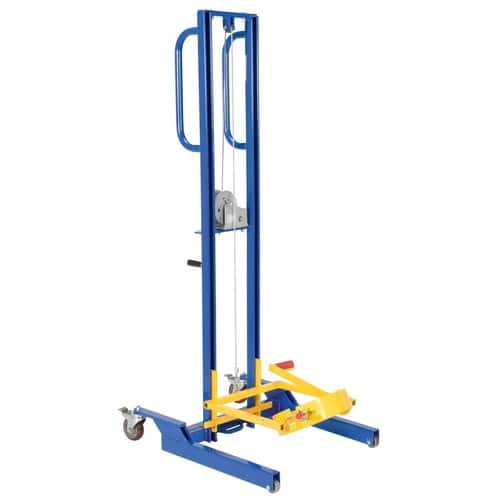
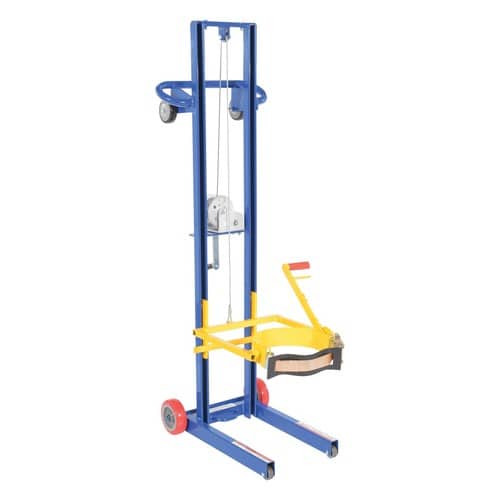
Barron Equipment and Overhead Door offers pail handling and dispensing solutions as part of our safety equipment product line. A pail dispenser is used to help control how materials are moved and dispensed from a container. It provides a more stable and controlled way to handle pails during daily operations.
This category includes equipment designed for use as a 5 gallon pail dispenser, which is one of the most common container sizes in industrial settings. These units help position the pail properly so materials can be transferred more easily and with better control.
In many facilities, pails are used to hold liquids or other materials that need to be poured or transferred. A plastic pail dispenser is often used when lightweight containers are involved. This type of equipment helps reduce manual handling and supports cleaner, more organized workflows.
Features and Benefits
A pail dispenser is designed to improve how materials are handled during dispensing. It allows the operator to control how the pail is positioned, which helps make the process more accurate and consistent.
A 5 gallon pail dispenser is sized to fit standard containers and helps keep the pail steady during use. This reduces the need to lift or tilt the container by hand, which can be difficult and unsafe when the pail is full.
Many units are built with a strong frame that supports daily use in work environments. This helps keep the pail stable while it is being moved or adjusted during dispensing.
A plastic pail dispenser can be used in processes where plastic containers are common. Some equipment may also work with both plastic and metal pails, depending on the application.
Using pail dispensers can help reduce spills and improve consistency when transferring materials. They also help reduce strain on workers by limiting the need for manual lifting and repositioning.
Applications
Common applications include:
- Dispensing materials from 5 gallon containers
- Using a 5 gallon pail dispenser for routine transfer tasks
- Handling lightweight containers with a plastic pail dispenser
- Positioning pails for controlled pouring or dispensing
- Facilities that use pail dispensers to reduce manual handling
In these environments, a pail dispenser helps keep the container steady while materials are being used or transferred. This makes the process easier to control and helps reduce spills. It also supports a cleaner work area and more consistent handling. Over time, using a pail dispenser can improve efficiency in tasks that are repeated often.
FAQs
What is a pail dispenser used for?
A pail dispenser is designed to safely transport, position, and dispense materials from pails and containers. It helps improve efficiency by reducing manual handling and providing better control during dispensing operations.
Why are multiple weight capacities available?
Different applications require different load capacities. Multiple weight capacity options allow facilities to choose a pail dispenser that matches their container sizes, material weights, and operational requirements.
What types of containers can be used with a pail dispenser?
Pail dispensers are commonly used with pails, buckets, and similar industrial containers. Users should verify container dimensions and weight requirements to ensure compatibility.
How does a pail dispenser improve workplace safety?
A pail dispenser reduces the need to manually lift, carry, and tip heavy containers. This can help minimize strains, spills, and other injuries associated with material handling.
What industries commonly use pail dispensers?
Pail dispensers are frequently used in manufacturing facilities, warehouses, maintenance departments, chemical processing plants, food processing operations, automotive facilities, and industrial distribution centers.
How does a pail dispenser improve dispensing accuracy?
By positioning containers at a controlled height and angle, a pail dispenser helps operators pour and transfer materials more precisely while reducing product waste.
What are the benefits of using a pail dispenser instead of handling containers manually?
Using a pail dispenser can improve productivity, reduce employee fatigue, provide better control during dispensing, and help minimize spills and material loss.
Can a pail dispenser improve material handling efficiency?
Yes. A pail dispenser combines mobility and dispensing capabilities, helping streamline workflows and reducing the time required to move and transfer materials.
What should I consider when selecting a pail dispenser?
Important considerations include container size, container weight, load capacity requirements, dispensing needs, available workspace, operating environment, and frequency of use.
Can a pail dispenser support ergonomic workplace initiatives?
Yes. Pail dispensers help reduce bending, lifting, and awkward pouring motions, supporting ergonomic material handling practices and improving employee comfort.
Can a pail dispenser help reduce spills and product waste?
Yes. Controlled positioning and dispensing help operators transfer materials more accurately, reducing spills, overpouring, and unnecessary product loss.
Selection Assistance
Start by identifying the size of the pail used in your operation. A 5 gallon pail dispenser is designed for standard container sizes and is commonly used in many applications. Choosing the correct size helps ensure proper fit and stable handling.
Next, consider the type of container being used. A plastic pail dispenser may be the right choice if plastic containers are common in your workflow. Selecting equipment that matches the container type helps improve consistency.
Think about how often dispensing tasks are performed. Facilities that handle materials frequently can benefit from using pail dispensers to reduce manual effort and improve workflow.
Also consider how much space is available. Equipment that allows for controlled movement and positioning can help improve efficiency while keeping the work area organized.
Barron Equipment and Overhead Door can help match the right pail dispenser to your operation. Selecting the correct equipment helps support safer handling, cleaner processes, and more efficient daily tasks.