
How Loading Dock Lights Improve Warehouse Safety and Efficiency
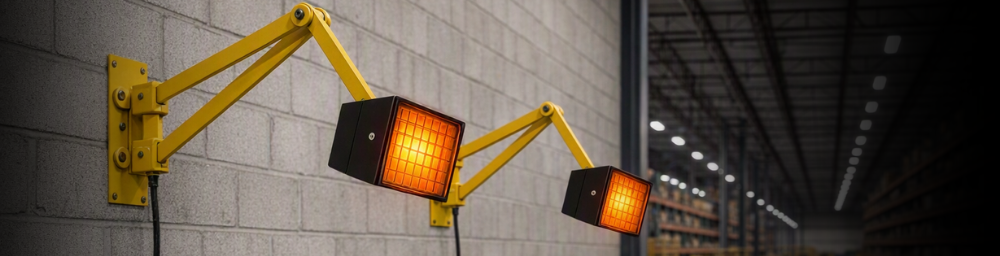
Loading dock visibility plays a major role in warehouse safety, productivity, and communication. When trailer interiors are dark, dock door openings are difficult to see, or drivers and dock workers do not have a clear signal system, loading and unloading operations become more dangerous and less efficient.
Loading dock lights help solve these challenges by improving visibility inside trailers, around dock openings, and throughout active loading areas. The right lighting setup can help forklift operators see freight more clearly, guide truck drivers into position, and communicate whether a docked trailer is safe to enter or pull away.
For warehouses, distribution centers, manufacturing facilities, and shipping operations, loading dock lights are a simple but important investment in daily dock safety and efficiency.
What Are Loading Dock Lights?
Loading dock lights are specialized lighting products designed for use at truck and warehouse loading docks. Unlike general building lights, dock lights are built to direct light where it is needed most — inside trailers, around dock openings, and near active shipping and receiving areas.
Common types of loading dock lights include:
- Truck dock lights
- LED dock lights
- Flexible arm dock lights
- Dock guide lights
- Bumper guide lights
- Stop and go traffic lights
- Dock communication lights
Each type serves a different purpose. Some lights improve visibility for forklift operators inside trailers, while others help truck drivers align with the dock or alert employees when it is safe to enter a trailer.
Why Loading Dock Lighting Matters
A trailer can be difficult to see inside, even during daytime operations. Once a truck is backed into the dock, the trailer interior may become shadowed or poorly lit. This makes it harder for workers to see pallets, freight, trailer walls, floor conditions, and potential hazards.
Poor dock visibility can contribute to:
- Forklift accidents
- Product damage
- Slower loading and unloading
- Miscommunication between drivers and dock workers
- Increased risk around dock openings
- Difficulty backing trailers into position
Loading dock lights help reduce these risks by providing focused illumination where employees and drivers need it most.
Truck Dock Lights for Trailer Visibility
Truck dock lights are designed to illuminate the inside of trailers during loading and unloading. These lights are typically mounted near the dock door and attached to an adjustable or articulating arm so workers can direct light into the trailer.
This helps forklift operators and dock workers see:
- Trailer contents
- Pallets and packaging
- Trailer walls
- Floor conditions
- Obstructions
- Damaged freight
Flexible arm dock lights are especially useful because they can be moved into position as needed and then adjusted out of the way when not in use. This makes them a practical option for facilities with frequent loading activity.

LED Dock Lights vs. Traditional Dock Lights
Many facilities are upgrading to LED loading dock lights because they offer better long-term performance than older lighting options.
Benefits of LED Dock Lights
LED dock lights provide bright, focused illumination while using less energy than many traditional bulbs. They also last longer, which can help reduce replacement costs and maintenance downtime.
LED lighting is a strong choice for facilities that want:
- Brighter trailer visibility
- Lower energy usage
- Longer service life
- Less frequent bulb replacement
- More consistent lighting performance
- Improved dock safety
For busy warehouse and distribution environments, LED dock lights are often the most efficient and practical choice.
When Traditional Dock Lights May Still Be Used
Some facilities still use incandescent or other traditional dock light styles, especially in lower-traffic applications or existing dock setups. However, for facilities focused on safety, efficiency, and long-term value, LED dock lighting is often the better option.
Loading Dock Guide Lights for Driver Alignment
Loading dock guide lights help truck drivers back trailers into position more accurately. These lights are installed near the dock opening or dock bumpers to provide a clear visual guide for trailer alignment.
Guide lights are especially helpful in:
- Low-light conditions
- Enclosed dock bays
- Busy shipping yards
- Tight dock areas
- Poor weather
- Facilities with frequent trailer traffic
Some guide lights can also be installed inside dock openings to help forklift operators identify safe entry points. This makes them useful for both driver visibility and dock worker safety.
Stop and Go Traffic Lights for Dock Communication
Stop and go traffic lights add another layer of communication between truck drivers and dock personnel. These systems use red and green lights to indicate when a trailer is safe to enter, when a truck should remain parked, and when it is safe to leave the dock.
A typical dock communication setup may work like this:
- Green light inside: forklift operator may enter the trailer
- Red light outside: truck driver should stay parked
- Red light inside: dock worker should stay away from the trailer
- Green light outside: truck driver may pull away
This type of system helps reduce confusion and supports safer loading dock procedures. It is especially valuable at high-traffic docks where multiple trucks, employees, and forklifts are operating throughout the day.
Key Features to Look for in Loading Dock Lights
Choosing the right loading dock light depends on the layout of your dock, your daily volume, and the type of visibility problem you need to solve.
Important features to consider include:
Light Output
The light should be bright enough to illuminate the full trailer interior. LED options are often ideal because they provide strong, consistent illumination.
Adjustable Arm Design
Flexible arm, swing arm, or double-strut dock lights allow workers to position the light exactly where it is needed.
Durability
Dock environments are demanding. Lights should be able to withstand vibration, daily movement, and normal warehouse wear.
Application Environment
Some locations may require dock lights designed for wet locations, harsh environments, or hazardous areas. The right fixture should match the conditions of your facility.
Communication Needs
If your dock experiences frequent truck traffic, stop and go lights or dock communication systems may be just as important as trailer lighting.
Driver Visibility
If trucks have difficulty backing into position, guide lights or bumper guide lights can help drivers align more accurately with the dock opening.
Which Type of Loading Dock Light Do You Need?
The best dock lighting setup depends on the problem you are trying to solve.
| Facility Need | Best Lighting Option |
|---|---|
| Support wet or demanding environments | Wet location LED dock lights |
| Improve trailer visibility | Truck dock lights or LED dock lights |
| Improve driver/dock worker communication | Stop and go traffic lights |
| Reduce maintenance | LED dock lights |
| Help forklift operators see inside trailers | Flexible arm dock lights |
| Support hazardous conditions | Explosion-proof dock lights |
| Help drivers back into position | Dock guide lights or bumper guide lights |
For many facilities, the best solution is a combination of lighting products. A dock position may need a truck dock light for trailer visibility, guide lights for driver alignment, and stop and go lights for communication.
How Loading Dock Lights Improve Safety
Loading dock lights support safety by improving visibility during some of the most active parts of the loading process.
Better lighting helps workers:
- See freight clearly
- Avoid trailer obstructions
- Identify damaged pallets
- Navigate inside trailers
- Reduce forklift impacts
- Communicate dock status more effectively
When employees can see clearly, they can work more confidently and make fewer mistakes.
How Loading Dock Lights Improve Efficiency
Good lighting does more than improve safety. It also helps teams work faster and more accurately.
Loading dock lights can help reduce time spent:
- Repositioning forklifts
- Checking trailer contents
- Searching for freight
- Correcting loading mistakes
- Waiting for unclear dock signals
In high-volume facilities, even small improvements at each dock position can lead to meaningful productivity gains over time.

Industries That Benefit from Loading Dock Lights
Loading dock lights are useful in nearly any facility that ships or receives freight.
Common applications include:
- Warehouses
- Distribution centers
- Manufacturing plants
- Food and beverage facilities
- Cold storage operations
- Retail distribution centers
- Logistics facilities
- Industrial shipping departments
Any operation with trailers, forklifts, or regular dock traffic can benefit from improved dock lighting.
Loading Dock Lights and Other Dock Equipment
Loading dock lights work best when they are part of a complete dock safety system. They often support other loading dock equipment such as:
- Dock levelers
- Dock bumpers
- Dock seals and shelters
- Vehicle restraints
- Dock safety barriers
- Loading dock communication systems
Together, these products help create a safer and more efficient loading dock environment. Dock lights improve visibility, while other dock equipment helps control trailer movement, protect dock openings, and support safe material handling.
When Should You Upgrade Your Loading Dock Lights?
Your facility may need better dock lighting if employees are dealing with:
- Dark trailer interiors
- Frequent product damage
- Forklift visibility issues
- Poor driver alignment
- Confusion between drivers and dock staff
- Outdated incandescent dock lights
- High bulb replacement costs
- Low-light dock areas
- Increased safety concerns
If any of these issues are present, upgrading dock lighting may be a practical way to improve daily operations.
Frequently Asked Questions
What are loading dock lights used for?
Loading dock lights are used to improve visibility inside trailers, around dock openings, and throughout loading areas. They help forklift operators, dock workers, and truck drivers work more safely and efficiently.
Are LED loading dock lights better than traditional dock lights?
LED loading dock lights are often preferred because they provide bright illumination, use less energy, last longer, and require less maintenance than many traditional lighting options.
Where should loading dock lights be installed?
Truck dock lights are typically installed near the dock door and directed into the trailer. Guide lights are often installed near dock openings or bumpers to help drivers align trailers with the dock.
What are stop and go dock lights?
Stop and go dock lights are communication lights that use red and green signals to show when a trailer is safe to enter, when a truck should remain parked, or when it is safe for the truck to leave the dock.
Do loading dock lights improve safety?
Yes. Loading dock lights improve visibility, help workers identify hazards, reduce confusion, and support safer loading and unloading operations.
What type of loading dock light is best?
The best loading dock light depends on your application. LED truck dock lights are ideal for trailer visibility, guide lights help drivers align trailers, and stop and go lights improve communication between dock workers and truck drivers.
Choose the Right Loading Dock Lights for Your Facility
Loading dock lights are a small but important part of an efficient dock operation. Whether you need to improve trailer visibility, help drivers back into position, reduce product damage, or create clearer communication between workers and drivers, the right lighting system can make a measurable difference.
From LED truck dock lights and flexible arm fixtures to guide lights and stop and go traffic lights, choosing the right combination of products helps create a safer, brighter, and more productive loading dock.