OSHA 1910.252 Compliance Guide for Welding Enclosures and Bystander Safety

Blog Images (10)

Understanding OSHA Requirements for Welding Operations

Welding creates a unique combination of workplace hazards, including sparks, molten metal, ultraviolet radiation, blue light exposure, heat, fumes, and fire risks. Because these hazards can affect both welders and nearby personnel, safety regulations frequently focus on protecting everyone within the surrounding work environment. OSHA 1910.252 addresses important welding, cutting, and brazing safety considerations and is commonly referenced when facilities develop welding safety programs and workstation protection strategies.

Why Bystander Safety Matters

Many workplace injuries associated with welding do not involve the welder directly. Nearby personnel may be exposed to:
  • Arc flash
  • Ultraviolet radiation
  • Blue light exposure
  • Flying sparks
  • Molten spatter
  • Heat generation
  • Fire hazards
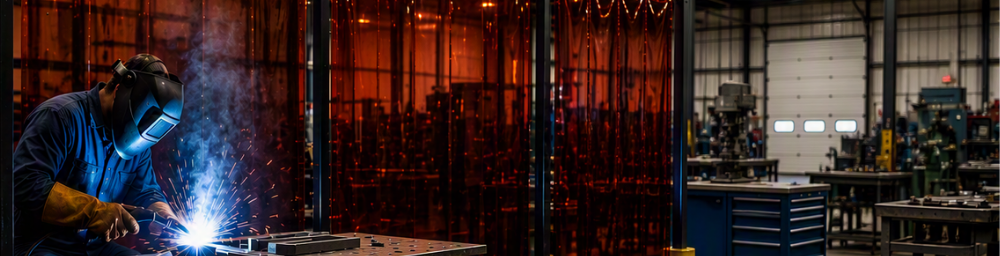
Welding screens and welding curtains help establish a protective barrier between active welding operations and surrounding work areas.

What Are Welding Enclosures?

Welding enclosures are protective systems designed to isolate welding operations from adjacent workspaces. Common solutions include:
  • Portable welding screens
  • Freestanding welding partitions
  • Welding curtains
  • Track-mounted curtain systems
  • Multi-panel welding booths
  • Custom welding enclosures
These systems help improve workplace organization while reducing exposure to welding hazards.

Welding Hazards Welding Screens Help Address

Arc Flash

Welding arcs generate intense visible light and radiant energy that can affect nearby personnel.

Ultraviolet Radiation

Ultraviolet exposure is one of the primary reasons welding screens are used in industrial environments.

Blue Light Exposure

Specialized screen materials help reduce transmission of harmful optical wavelengths generated during welding.

Sparks and Spatter

Welding screens help contain sparks and molten material within the designated work area.

Workplace Separation

Physical barriers help establish clear boundaries between welding operations and general facility traffic.

Designing a Safer Welding Area

When planning a welding enclosure, facilities should evaluate:
  • Workstation layout
  • Welding processes utilized
  • Employee traffic patterns
  • Ventilation requirements
  • Visibility needs
  • Material handling routes
  • Facility safety objectives
Proper planning helps ensure welding operations remain both efficient and safe.

Portable Screens vs. Permanent Welding Enclosures

Portable Systems

Portable screens allow facilities to create temporary welding cells and adjust layouts as operational requirements change.

Permanent Systems

Curtain systems and dedicated welding booths provide long-term workspace separation for higher-volume welding operations. Both approaches can help support workplace safety when appropriately matched to facility requirements.

Manufacturer Solutions and Engineering Support

Many facilities rely on modular welding safety products from established manufacturers to configure welding protection systems. Custom screen configurations, multi-panel booths, and specialized welding enclosure layouts can help organizations address unique facility requirements while supporting operational efficiency.

Frequently Asked Questions

What is OSHA 1910.252?

OSHA 1910.252 addresses welding, cutting, and brazing safety practices and is frequently referenced when developing workplace welding safety programs.

Why are welding screens important?

Welding screens help protect nearby personnel from arc flash, ultraviolet radiation, sparks, and other welding-related hazards.

Are welding curtains different from welding screens?

Yes. Curtains are often used for larger, semi-permanent installations, while screens are commonly used for portable and flexible workstation protection.

Can welding enclosures improve workplace safety?

Properly designed welding enclosures help separate welding operations from surrounding work areas and support broader facility safety initiatives.

Conclusion

Welding screens, welding curtains, and welding enclosures play an important role in protecting employees from arc flash, ultraviolet exposure, sparks, and other welding-related hazards. By understanding OSHA 1910.252 considerations and implementing appropriate workplace barriers, facilities can create safer work environments while supporting productivity, visibility, and operational flexibility.
Upload PO

5% Off Lift Tables!